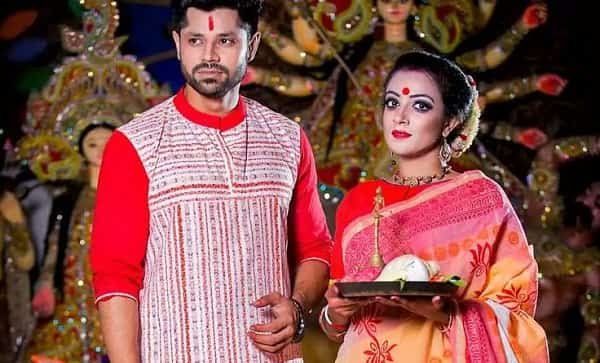
India’s men’s traditional dress heritage is as rich, diverse, and culturally significant as its women’s counterpart — though it has historically received less of the fashion industry’s and media’s attention. From the dhoti-wearing traditions of South India and Bengal to the kurta-pajama culture of North India, from the regal sherwani and achkan of the Mughal court tradition to the turban traditions that carry royal significance across Rajasthan and Punjab, Indian men’s traditional dress reflects the same extraordinary regional diversity, historical depth, and living cultural relevance that characterises every dimension of India’s material culture.
Indian men’s traditional dress is experiencing a genuine renaissance in the 21st century — driven by growing cultural pride, the fashion industry’s elevated treatment of traditional garments through premium design and craftsmanship, celebrity influence, and the rise of occasions (weddings, festivals, and professional settings that appreciate cultural dressing) where traditional men’s dress is not merely appropriate but aspirationally desirable. The Indian man who chooses a well-tailored kurta for his professional environment or a beautifully embroidered sherwani for a wedding ceremony is making a statement about cultural identity and aesthetic confidence that Western dress cannot provide.
1. Dhoti — India’s Most Ancient Men’s Garment
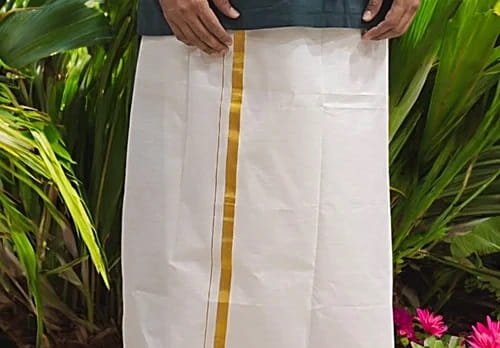
The dhoti is India’s oldest continuously worn men’s garment — a piece of white or natural cotton fabric typically between four and six metres long that is wrapped around the waist and legs in regional draping styles that have been essentially unchanged for thousands of years. References to the dhoti appear in the Rigveda and throughout ancient Indian literature and sculpture — this is a garment whose form has persisted through the entirety of recorded Indian history, worn by emperors and farmers, priests and scholars, the most exalted and the most humble in Indian society simultaneously.
The dhoti’s philosophical relationship to the saree is immediate — like the saree, it is unstitched fabric that is shaped by the body and draping technique rather than by cutting and sewing. And like the saree, it exists in multiple regional draping styles that reflect distinct cultural traditions. The pancha (dhoti) of Tamil Nadu — worn with a coloured border in Kanjivaram silk for festive occasions — creates a dignified, formal appearance appropriate for temple visits, weddings, and official ceremonies. The dhuti of Bengal — typically in fine white muslin with a distinctive narrow red border — is draped in the characteristic Bengali fold that identifies the wearer’s regional origin immediately. The panche of Karnataka creates a different silhouette from the same basic garment. The dhotar of Maharashtra creates yet another regional variant.
The dhoti’s association with India’s most respected cultural and spiritual traditions — worn by Mahatma Gandhi as a conscious choice of cultural identity and simplicity, worn by priests conducting Hindu ceremonies, worn by classical Bharatanatyam dancers and Carnatic musicians for performance — gives it a spiritual and cultural weight that no other Indian men’s garment approaches. The vision of Gandhi in simple khadi dhoti became the world’s most recognised image of Indian identity and moral authority — the garment carrying political meaning that transcended fashion entirely.
In contemporary India, the dhoti continues as daily wear in many South Indian and Bengali communities, as festival and wedding wear across all regions, and as the ritual dress of Hindu religious ceremonies nationwide. Young Indian men who choose to wear a silk dhoti-kurta combination for a wedding or festival celebration are making a cultural statement that connects them consciously to a tradition of extraordinary depth and beauty.
Worn predominantly in: Tamil Nadu, Andhra Pradesh, Telangana, Karnataka, West Bengal, Odisha, Bihar, and Maharashtra.
2. Kurta Pajama — The Everyday National Dress
The kurta pajama — a long collarless or small-collared tunic (kurta) worn over loose trousers (pajama) — is India’s most widely worn men’s traditional dress, functioning simultaneously as comfortable daily home wear, professional clothing in appropriate contexts, and festival and ceremony dress. Its origins in the Islamic-influenced North Indian textile and fashion traditions that developed under the Mughal Empire have spread through India’s entire social fabric — today the kurta pajama is worn by Indian men across every religion, caste, community, and region, making it India’s most genuinely national men’s traditional garment.
The kurta’s form is deceptively simple — a straight-cut or slightly shaped tunic of varying lengths — but the diversity of expression within this simple template is extraordinary. A plain white cotton kurta with a small collar and subtle embroidery at the neckline is appropriate for a professional office context in many Indian environments. A heavily embroidered silk kurta in a jewel tone is festive occasion wear of the highest order. A fine handloom cotton kurta in a subtle block print is the ideal smart-casual dress for a contemporary urban professional who wants to express cultural identity in a contemporary professional setting. A Lucknowi chikankari kurta — with its intricate white-on-white shadow embroidery that represents the pinnacle of North India’s embroidery tradition — is one of Indian men’s fashion’s most refined and most aspirational garments.
The pajama — loose at the top and tapering toward the ankle — has evolved into multiple contemporary variants. The churidar pajama gathers in horizontal pleats below the knee before fitting tightly to the ankle, creating the elegant silhouette associated with formal kurta combinations. The straight pajama provides comfort without the churidar’s ankle fit constraint. The pyjama suit — a relaxed, wide-cut variant — suits the more casual end of the kurta pajama’s versatile range.
The modern Indian man’s relationship with the kurta pajama is one of genuine daily utility and cultural pride — the garment that is simultaneously appropriate for Eid namaz and a Diwali party, for a casual weekend at home and a professional meeting in an environment that appreciates cultural dressing.
Worn predominantly in: All states across India, with particularly strong traditions in Uttar Pradesh, Punjab, Delhi, Rajasthan, Maharashtra, and Tamil Nadu.
3. Sherwani — The Regal Wedding Dress
The sherwani is Indian men’s most formal and most magnificent traditional dress — the garment of choice for grooms, wedding guests, and participants in India’s most important ceremonial occasions. A long, formally structured coat-dress that buttons from the neck to below the waist before opening into a skirt-like lower section, the sherwani draws its aesthetic lineage from the royal court dress of the Mughal Empire and the princely states of India — garments designed to communicate authority, wealth, refinement, and cultural sophistication through richness of material and quality of craftsmanship.
The finest sherwanis are works of extraordinary artisanship — heavy silk, brocade, or velvet fabrics embellished with hand-stitched zardozi embroidery (gold and silver thread work using a fine hook), shisha (mirror work), aari work, and other embroidery traditions that can require weeks or months of skilled labour to complete on a single garment. The Lucknow region is India’s premier sherwani manufacturing centre — the nawabi cultural heritage of Lucknow created centuries of refinement in men’s formal dress that continues in the city’s contemporary sherwani workshops and ateliers.
The modern Indian groom’s sherwani — typically in ivory, champagne, cream, rich red, or increasingly in statement colours from navy to forest green to deep burgundy — is among the most photographed and most emotionally significant garments in Indian culture. The sherwani is paired with churidar pajama, a safa (turban) in the Rajasthani tradition or various other headwear styles, and mojri (embroidered leather shoes) for the complete formal look that represents Indian men’s traditional dress at its most spectacular.
Sherwanis are worn not only by grooms but by wedding guests — particularly fathers of the bride and groom, brothers in the wedding party, and any male wedding participant who wants to dress with appropriate ceremony. The growing popularity of the sherwani among non-Hindu communities — Muslim grooms have long worn variants of the sherwani for nikah ceremonies, and Sikh grooms frequently choose sherwanis alongside or instead of the achkan — demonstrates its pan-Indian wedding dress significance.
Worn predominantly in: Uttar Pradesh, Rajasthan, Punjab, Delhi-NCR, Maharashtra — and nationally as bridal and formal occasion wear.
4. Lungi — South India’s Everyday Comfort
The lungi is one of India’s most practical, most comfortable, and most widely worn traditional men’s garments — a two-metre length of cotton or silk fabric wrapped around the waist and secured by a simple rolling and tucking at the waistband. Found across South India, West Bengal, and Odisha as a daily staple of men’s casual and home dress, the lungi combines the unstitched-fabric philosophy of the dhoti with even simpler draping requirements — making it the most easily worn of all Indian traditional men’s garments.
The distinction between lungi and dhoti is largely one of formality and draping style — while the dhoti is typically worn in public settings, religious ceremonies, and formal occasions, the lungi occupies the casual and domestic end of traditional men’s dress, worn for home comfort, evening relaxation, and the casual daily errands of South Indian community life. Tamil Nadu, Kerala, Andhra Pradesh, and Karnataka all have strong lungi-wearing cultures — in these states, seeing men in lungis in shops, tea stalls, temples, and roadside environments is entirely normal, with the garment carrying no connotation of informality beyond what Western dress would consider equivalent casual wear.
The checked lungi — a pattern of colourful woven or printed checks that is particularly associated with Tamil Nadu and Kerala — has become culturally iconic in South Indian identity, recognised nationally and internationally as an emblem of South Indian culture. The lungi’s association with South Indian men’s cultural identity is so strong that it has become a cultural pride symbol — worn deliberately as a statement of regional identity by educated urban South Indian men who want to celebrate their cultural heritage.
Worn predominantly in: Tamil Nadu, Kerala, Karnataka, Andhra Pradesh, Telangana, West Bengal, and Odisha.
5. Bandhgala (Nehru Jacket) — The Statesman’s Suit
The bandhgala — also known as the Nehru jacket or jodhpuri suit — is India’s most elegant and internationally recognised men’s formal dress, combining the Indian tradition of closed-collar formal dress with the structured tailoring of Western suiting in a garment that is simultaneously distinctly Indian and completely contemporary. The name bandhgala means “closed collar” in Hindi — the defining feature is the distinctive Mandarin or Nehru collar that replaces the Western suit’s open lapel with a clean, upright collar that buttons to the neck, creating a more formal and architecturally distinct neckline.
The garment’s most famous association is with Jawaharlal Nehru — India’s first Prime Minister whose consistent choice of the bandhgala as his formal dress made it a symbol of Indian statehood, non-alignment, and the possibility of a distinctly Indian modernity that neither imitated the West nor retreated into historical conservatism. Nehru’s sartorial choice — wearing the bandhgala for international diplomatic meetings, the United Nations, and all official state occasions — communicated India’s cultural confidence to the world at the moment of its independence, and the garment has carried this association with Indian intellectual and political identity ever since.
The bandhgala has experienced a significant renaissance in contemporary Indian men’s fashion — worn by Bollywood actors on red carpets, by Indian political leaders, by corporate professionals in formal meetings, and by wedding guests seeking a formal Indian dress alternative to the sherwani’s more elaborate embellishment. The clean, unfussy lines of a well-tailored bandhgala in fine cotton or Jodhpur linen suit the contemporary Indian man’s desire for formal traditional dress that reads as sophisticated rather than costume-like. The garment’s adaptability — from plain black for the most formal occasions to ivory linen for summer weddings to richly coloured silk for festive events — makes it the most versatile of Indian men’s formal traditional dress options.
Worn predominantly in: All states as formal occasion wear; particularly associated with Rajasthan (Jodhpur), Delhi, and urban professional contexts nationally.
| Dress | Region | Fabric | Occasion | Key Feature |
| Dhoti | South India, Bengal | Cotton, silk | Religious, weddings, daily | Unstitched wrap, 5,000+ years old |
| Kurta Pajama | Pan-India | Cotton, silk, linen | Daily, festive, professional | Most versatile, national dress |
| Sherwani | North/West India | Silk, brocade, velvet | Weddings, formal ceremonies | Embroidered coat-dress, regal |
| Lungi | South India, East | Cotton, checked fabric | Casual, daily home wear | Two-metre wrap, comfort-first |
| Bandhgala | Pan-India | Cotton, linen, silk | Formal, diplomatic, weddings | Mandarin collar, Nehru association |
Frequently Asked Questions (FAQs)
Q: What is the most popular traditional dress for men in India?
A: The kurta pajama is India’s most widely worn traditional men’s dress — worn daily across all states and communities.
Q: What do Indian grooms traditionally wear?
A: The sherwani is the most popular choice for Indian grooms, particularly in North India. South Indian grooms often choose a dhoti-kurta combination in silk.
Q: What is the difference between dhoti and lungi?
A: The dhoti is typically longer (4–6 metres), more formally draped between the legs, and worn for religious and formal occasions. The lungi is shorter (2 metres), wrapped simply at the waist, and used primarily for casual and home wear.
Q: Why is the Nehru jacket called bandhgala?
A: Bandhgala means “closed collar” in Hindi — referring to the garment’s distinctive feature of a closed Mandarin or Nehru collar that buttons to the neck, distinguishing it from Western suit jackets with open lapels.
Q: Is the sherwani worn only by Muslims in India?
A: No — the sherwani is worn across all communities including Hindus, Sikhs, and Christians for formal and wedding occasions. It is India’s pan-community formal men’s dress.