The foundation of a healthy lifestyle starts with the choices made in the daily environment, especially in the kitchen. While modern Indian homes have increasingly prioritised convenience, a growing shift towards craftsmanship and safety is bringing traditional materials back to the forefront. Cast iron cookware has long been considered a staple for health-conscious cooking, yet scientific evidence provides the true justification for its status as a non-toxic powerhouse.
Understanding the relationship between heat, metal, and chemical stability is essential for maintaining a toxin-free kitchen. Many assume that all modern cookware is safe by default. However, at a molecular level, different materials behave very differently under the high temperatures required for traditional cooking.
The Science of Non-Stick Surfaces
The primary concern with many contemporary cooking surfaces lies in the synthetic coatings used to achieve a non-stick effect. Many conventional non-stick sets utilise PTFE or PFOA, which can release harmful fumes if a pan is accidentally overheated. These fumes are not just an environmental concern but can also affect the air quality within a home.
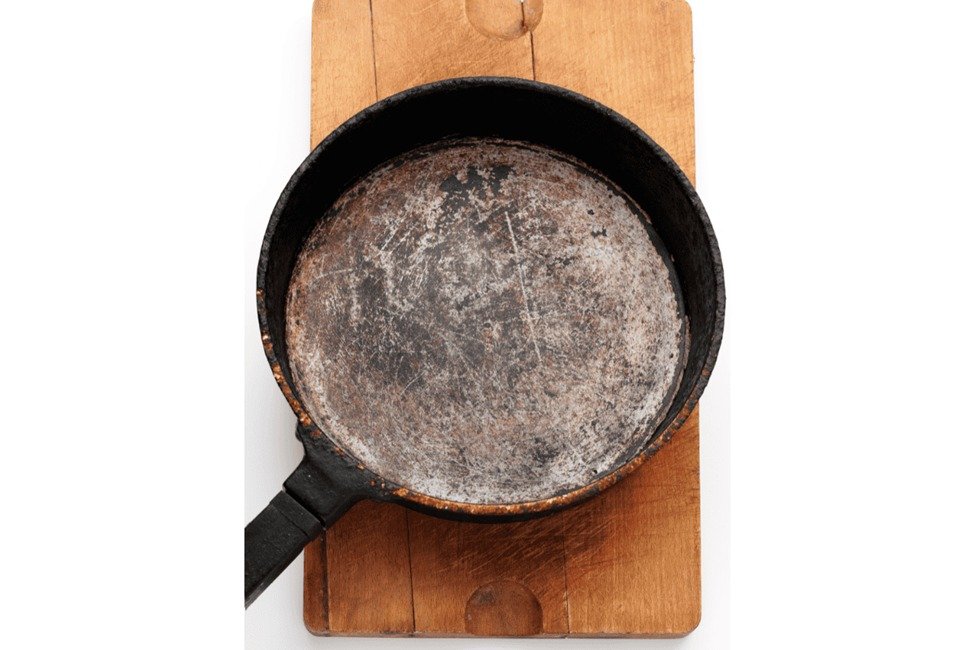
Cast iron offers a significantly cleaner alternative. Its non-stick properties are derived from a natural process known as seasoning. This involves baking fats into the iron at high temperatures to create a durable, polymerised barrier. This method ensures the surface remains free from the synthetic chemicals found in mass-produced alternatives. For households seeking cookware as clean as the ingredients being used, cast iron remains a scientifically sound choice for daily use.
Why Cast Iron is Considered Healthier?
Scientific research highlights several reasons why switching to cast iron benefits a modern household:
● Natural Toxin-Free Surface: Unlike pans with chemical coatings, seasoned cast iron does not release toxic fumes (PFAS/PFOA), even during high-heat searing. This makes it ideal for the intense heat often required to sear meats or prepare crispy dosas.
● Nutritional Fortification: Research shows that cooking in cast iron significantly increases the iron density of your diet. This is particularly effective when simmering acidic foods like tomato-based gravies, which help pull small amounts of beneficial iron into the food.
● Heat Retention and Efficiency: Cast iron holds heat longer than aluminium or steel. This thermal mass ensures food is cooked evenly, preserving flavours and textures without the need for excessive oil or constant temperature adjustments.
● Longevity and Sustainability: A well-crafted pan is built to last for generations. This durability makes it a sustainable choice that complements an eco-conscious home by reducing the need for frequent replacements.
● Chemical Stability: Unlike some metals that can react unfavourably with certain ingredients at high heat, seasoned cast iron remains incredibly stable. This ensures that the authentic taste of spices and fresh produce remains untainted.
Innovation for the Modern Kitchen
Traditional raw cast iron is highly regarded for its performance, yet it can be heavy and high-maintenance for a fast-paced lifestyle. Modern innovation has further refined these benefits for the contemporary kitchen. Brands like Ember Cookware are leading this shift by designing products that are healthier by design, ensuring that sophistication and safety go hand in hand. By focusing on light construction and toxin-free surfaces, such specialists make it easier to transition away from chemical-heavy coatings without sacrificing ease of use.
Maintaining a Toxin-Free Environment
Achieving the full non-toxic potential of cast iron depends entirely on consistent and correct maintenance. Science shows that a well-maintained seasoning layer prevents oxidation and preserves the surface’s natural non-stick quality. Cleaning with mild soap or just warm water, followed by a light coating of oil, keeps the polymerised layer intact. This simple routine ensures the cookware remains ready for any recipe without the need for chemical intervention.
Choosing the right tools for specific tasks also plays a role in safety and efficiency. A pan that fits a stove burner correctly prevents uneven heating and reduces energy waste. Whether using a tawa for daily rotis or a larger skillet for family meals, the material remains the most critical factor in a kitchen’s overall health profile.
Conclusion
Choosing cast iron is a simple way to prioritise your family’s health. It aligns with a lifestyle that prioritises well-being, ensuring that no synthetic chemicals interfere with recipes. By opting for pieces that combine traditional craftsmanship with modern safety standards, it is possible to ensure the kitchen remains a safe, warm space for years to come.
As more people seek to bring a new imagination to cooking and dining, the return to iron-based tools is a logical step. These products complement the modern home with warmth and sophistication while providing the peace of mind that comes from using truly clean materials.