India’s beer manufacturing industry is a significant part of the country’s beverage-processing sector. It combines agricultural raw materials, industrial production facilities, packaging operations, distribution infrastructure, and extensive regulatory oversight.
Unlike many other packaged beverage industries, beer manufacturing in India operates under state-specific excise regulations. Manufacturers must comply with licensing requirements, production standards, taxation rules, and restrictions governing distribution.
The industry includes large multinational brewing companies, Indian-owned enterprises, and smaller regional producers. Their manufacturing arrangements vary: some operate their own breweries, while others use licensed production facilities.
How India’s Beer Manufacturing Industry Is Structured
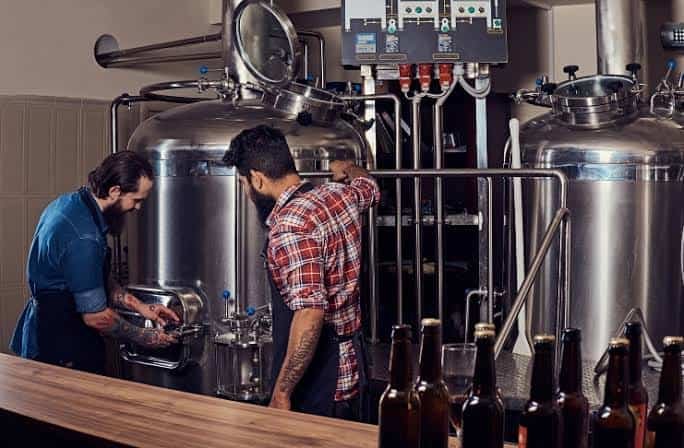
Beer manufacturing involves several industrial activities, including raw material procurement, processing, quality control, packaging, and logistics.
Production facilities vary in scale, from large industrial breweries to smaller specialised operations.
The industry’s main characteristics include:
- State-level regulation of alcoholic beverage manufacturing.
- Industrial facilities requiring substantial investment and infrastructure.
- Quality-control systems for consistent product specifications.
- Packaging operations involving glass, metal, and other approved materials.
- Distribution networks operating under applicable excise permissions.
- Environmental responsibilities involving water consumption and wastewater management.
Manufacturers also face differences in state taxation, distribution systems, and regulatory approvals.
Major Manufacturing Regions in India
India’s brewing industry is geographically diverse, with production facilities established in several states.
Karnataka: An important centre for beverage manufacturing, supported by industrial infrastructure and established food-processing activities.
Maharashtra: Home to significant beverage-processing operations and an established manufacturing ecosystem.
Rajasthan: Hosts industrial brewing facilities operating under the state’s excise framework.
Telangana: Supports beverage manufacturing through industrial infrastructure and regional distribution networks.
Punjab and Haryana: Important northern Indian manufacturing regions with access to agricultural and industrial supply chains.
The presence and operating status of individual facilities can change according to licensing, business restructuring, and production decisions.
What Determines Manufacturing Scale?
Production capacity alone does not establish the overall strength of a beverage manufacturer.
Several industrial considerations affect operations:
- Manufacturing infrastructure: Facility capacity, equipment condition, and operational reliability.
- Quality assurance: Testing systems and consistency of finished products.
- Regulatory compliance: Valid manufacturing licences and adherence to state requirements.
- Environmental management: Wastewater treatment, water efficiency, and responsible resource use.
- Supply-chain management: Reliable procurement and packaging arrangements.
- Distribution infrastructure: Ability to operate within different state regulatory systems.
Companies may perform differently across these categories, making direct comparisons difficult without consistent and independently verified data.
Regulations Governing Beer Manufacturing in India
Alcoholic beverage manufacturing is primarily regulated at the state level.
State excise departments oversee licensing, production, storage, movement, and distribution. Applicable requirements vary between jurisdictions.
Manufacturers may also need to comply with relevant food safety, environmental, labour, and factory regulations.
A licence or permission issued in one state does not automatically authorise the same activities in another.
This regulatory structure is a major reason India’s alcoholic beverage manufacturing industry differs from conventional packaged food and soft-drink manufacturing.
Environmental Challenges in Brewery Operations
Industrial beverage production requires careful management of natural resources.
Water consumption is an important consideration, particularly in regions facing seasonal shortages.
Manufacturing facilities must also manage wastewater, energy consumption, packaging waste, and industrial by-products.
Environmental improvements may involve:
- Water conservation and reuse systems.
- Wastewater treatment infrastructure.
- Energy-efficient industrial equipment.
- Responsible packaging waste management.
- Monitoring of emissions and resource consumption.
These measures can improve operational efficiency while supporting compliance with applicable environmental requirements.
Frequently Asked Questions
Q1. Is beer manufacturing legal in India?
A: Beer manufacturing is permitted in jurisdictions where applicable state laws allow it, subject to licensing and regulatory compliance. Rules vary across Indian states.
Q2. Which government authority regulates beer manufacturing?
A: State excise departments are the principal authorities responsible for regulating alcoholic beverage manufacturing, licensing, and distribution.
Q3. Does India have domestic beer manufacturing facilities?
A: Yes. India has industrial breweries operating in several states, including facilities associated with domestic and multinational businesses.
Q4. Is beer manufacturing subject to GST in India?
A: Alcoholic liquor for human consumption is outside the GST framework. State excise duties and other applicable taxes govern its taxation.
Q5. What environmental issues are associated with breweries?
A: Important considerations include water consumption, wastewater treatment, energy use, packaging waste, and compliance with environmental regulations.