North East India, also known as the Land of Seven Sisters, is a region of breathtaking natural beauty, rich tribal culture, and incredible biodiversity. From the misty hills of Meghalaya and Arunachal Pradesh to the tea gardens of Assam and the serene lakes of Sikkim, this part of India offers a completely different experience from the rest of the country. However, choosing the right time to visit is crucial because the region experiences heavy rainfall and diverse climatic conditions.
The best time to visit North East India is from October to April. During these months, the weather remains pleasant, roads are accessible, and outdoor activities are enjoyable. The region can broadly be divided into post-monsoon, winter, and pre-monsoon periods, each offering unique experiences.
October to December (Post-Monsoon Season)
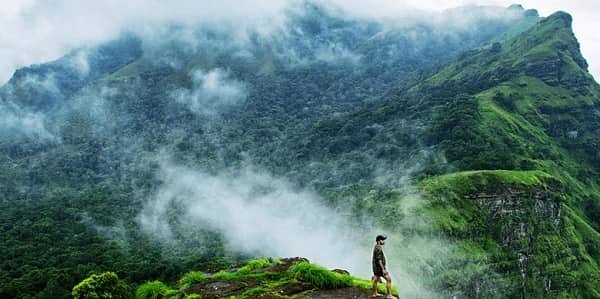
This is one of the finest times to explore North East India. The monsoon rains have just ended, leaving the landscape lush green and the waterfalls flowing beautifully. Temperatures are comfortable, ranging between 15°C to 25°C during the day. This period is ideal for trekking, wildlife safaris, and sightseeing.
Popular destinations like Shillong, Cherrapunji, Kaziranga National Park, and Tawang look stunning during these months. The clear skies also make it perfect for photography. However, some high-altitude areas in Arunachal Pradesh and Sikkim may start getting cold by December.
January to March (Peak Winter Season)
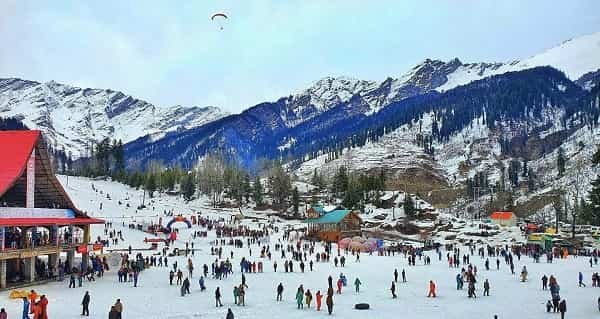
Winter in North East India brings cool, crisp weather and fewer crowds. This is the best time for those who love peaceful travel and want to enjoy clear mountain views. Temperatures can drop significantly in higher altitudes, sometimes going below freezing point in places like Tawang and Lachung.
This season is excellent for visiting monasteries in Arunachal Pradesh and Sikkim, enjoying the tea gardens of Assam, and experiencing local winter festivals. Kaziranga National Park is also a great choice during this time as animals are easier to spot near water bodies.
April to June (Pre-Monsoon Season)
April to early June offers warm days and blooming flowers, especially rhododendrons in the hills. This is a good time for adventure activities and visiting places like Majuli Island, Living Root Bridges, and various national parks. However, by mid-May, humidity starts rising, and pre-monsoon showers may begin.
Why Avoid Monsoon (July to September)?
The monsoon season brings extremely heavy rainfall in North East India, often causing landslides, floods, and road blockages. Many tourist places become inaccessible, and outdoor activities are limited. While the region looks incredibly green and beautiful, travel can be risky and uncomfortable during these months. Only experienced travelers who enjoy rain and offbeat experiences may consider visiting during this time.
State-wise Best Time
- Assam: October to April (Kaziranga is best from November to April)
- Meghalaya: October to March (Cherrapunji and Shillong are magical)
- Sikkim: March to May and October to December
- Arunachal Pradesh: October to March (higher altitudes are best in winter)
- Nagaland & Manipur: October to March
Comparison Table: Best Time to Visit North East India
|
Season |
Months |
Weather |
Best For |
Crowd Level |
|
Post-Monsoon |
Oct – Dec |
Pleasant, Clear |
Sightseeing, Photography |
Moderate |
|
Winter |
Jan – Mar |
Cool to Cold |
Peaceful travel, Festivals |
Low |
|
Pre-Monsoon |
Apr – Jun |
Warm, Blooming |
Adventure, Rhododendron |
Moderate |
|
Monsoon |
Jul – Sep |
Heavy Rainfall |
Not Recommended |
Very Low |
Travel Tips for North East India
- Book flights and accommodations in advance during peak season (October to February).
- Carry warm clothes even in summer for higher altitudes.
- Check inner line permits for Arunachal Pradesh, Nagaland, and Mizoram.
- Respect local customs and tribal traditions.
- Always carry rain gear as sudden showers are common.
North East India rewards travelers who visit during the right season. Whether you seek adventure in the mountains, peace in the valleys, or wildlife in the forests, timing your trip correctly will make your journey truly memorable.
Frequently Asked Questions (FAQs)
Q1. What is the best month to visit North East India?
A: October to December is considered the best time for most destinations due to pleasant weather and clear visibility.
Q2. Is it safe to travel in North East India during winter?
A: Yes, winter is one of the safest and most comfortable seasons for travel in the region.
Q3. Can I visit during monsoon?
A: It is not recommended for first-time travelers due to heavy rainfall, landslides, and road blockages, though some people enjoy the greenery.
Q4. Which state in North East is best for summer?
A: Meghalaya (Shillong & Cherrapunji) and Sikkim are excellent summer destinations because of their cool climate.
Q5. How many days are ideal for a North East trip?
A: A minimum of 10–15 days is recommended to cover 2–3 states comfortably.
North East India is a treasure trove of natural beauty and cultural diversity. Plan your trip wisely according to your interests and preferred weather, and you will create memories that last a lifetime.