Monsoon season brings much-needed relief from heat, but it also increases the risk of water contamination. Heavy rainfall often leads to overflowing drains, sewage mixing with water supplies, and the entry of harmful microorganisms into drinking water sources. During this time, many households become concerned about whether their water purifiers can provide safe drinking water.
One technology that often comes into focus during this time is UV filtration. Known for addressing microbial threats, it seems especially relevant when contamination risks are higher. But how well does it actually hold up when water conditions become more challenging? Let’s take a closer look.
How UV Filtration Works
An UV water purifier relies on ultraviolet light to destroy harmful microorganisms such as bacteria, viruses, and parasites. The UV rays penetrate the cells of these microorganisms and damage their DNA, preventing them from reproducing or causing infections.
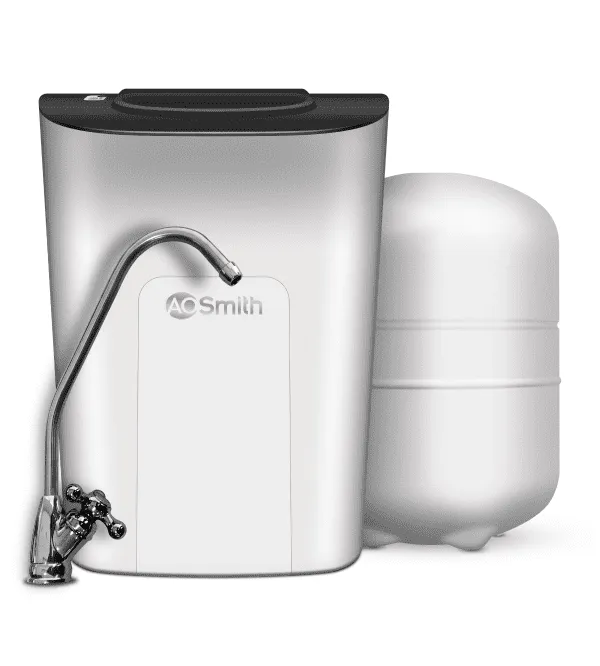
Unlike chemical disinfection methods, UV purification does not add chemicals to the water or alter its taste and odour. It is considered an environmentally friendly and efficient method for disinfecting water, especially in urban households where microbial contamination is a concern.
Why Monsoon Water Is More Vulnerable to Contamination
During monsoons, water sources become more exposed to pollutants due to flooding, soil runoff, and damaged pipelines. This often increases the presence of:
- Bacteria like E. coli and Salmonella
- Viruses and waterborne pathogens
- Suspended particles and sediments
- Organic impurities
These contaminants can lead to waterborne illnesses such as diarrhoea, typhoid, and stomach infections if untreated water is consumed.
Is UV Filtration Alone Enough?
While UV technology is highly effective at killing microorganisms, it works best when the water is already relatively clear. UV rays cannot penetrate effectively through muddy or highly turbid water because suspended particles may shield microorganisms from exposure.
This is why UV purification alone may not always be sufficient during peak monsoon contamination, especially in areas with poor water quality or high levels of sediment.
For better protection, many modern water purifiers combine UV technology with additional purification stages such as:
- Sediment filtration to remove dirt and particles
- Activated carbon filters to reduce chlorine and odours
- RO (Reverse Osmosis) purification to remove dissolved impurities and heavy metals
- UF (Ultrafiltration) for finer filtration support
A multi-stage purification system ensures that the water is first cleaned of visible impurities before UV treatment disinfects it effectively.
Benefits of UV Filtration During Monsoon
Despite the challenges of seasonal contamination, UV purification remains an important part of modern water treatment because it offers several advantages:
1. Fast and Chemical-Free Disinfection
UV purification instantly neutralises harmful microorganisms without using chemicals, making it safe for daily consumption.
2. Maintains Natural Taste of Water
Since no chemicals are added, the natural taste and freshness of water remain unchanged.
3. Energy-efficient
UV systems consume relatively low electricity while providing continuous protection against microbial contamination.
4. Effective Against Common Waterborne Germs
UV technology is particularly useful during monsoons when bacterial and viral contamination increases significantly.
Choosing the Right Water Purifier for Monsoon Safety
During monsoon season, it is important to choose a purifier that matches your local water conditions. If your water supply has high TDS levels, visible turbidity, or mixed contamination, a purifier with RO + UV, or even UF, can offer more comprehensive protection.
Regular maintenance is equally important. Replacing filters on time and servicing the UV lamp ensures the purifier performs efficiently throughout the rainy season.
Conclusion
UV filtration is highly effective in protecting against microbial contamination commonly seen during monsoons. However, since rainy-season water may also contain sediments and dissolved impurities, relying only on UV purification may not always provide complete protection. A multi-stage water purifier that combines UV with technologies like RO and sediment filtration can help ensure safer and cleaner drinking water during periods of increased contamination.