Aging is a natural process. It comes with unique challenges—physical, mental, and emotional. But there’s one essential element that can significantly contribute to a fulfilling experience: friendship.
As we age, cultivating and maintaining friendships can enhance our overall well-being and promote a healthier, happier life.
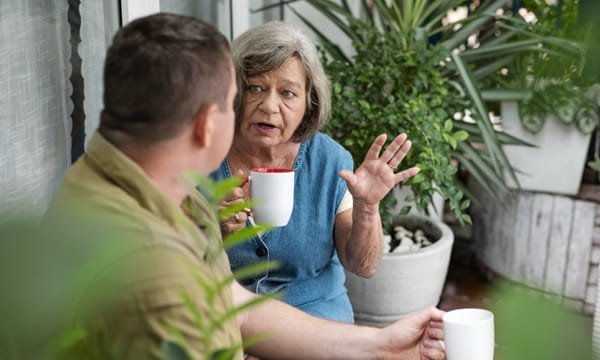
Regardless of gender, if you (as a senior) are aging but are unsure how friendship can support your health and active living.
Here are four key points that highlight the vital role of friendship in healthy aging.
Emotional Support and Loneliness Prevention
On top of all, friendships in older age offer emotional support. During tough times, friends can be a source of comfort. They are the listening ear. On their shoulders, you can lean.
This level of support can help combat feelings of loneliness and isolation, which are unfortunately common in older adults.
Spending 3-4 hours with friends regularly can create a sense of belonging, reinforcing emotional health and resilience.
Cognitive Health Boost
For those in their 50s or 60s, maintaining cognitive health is a major concern. This is what friendships can also do. Engaging in conversations, sharing experiences, and participating in group activities with friends can all stimulate the brain. This keeps it active and alert at all times.
A recent study has shown that social interactions can enhance memory and reduce the risk of cognitive decline in older adults
Going for game nights, enjoying a cup of coffee, or playing sports together provides these cognitive benefits. They contribute well to making friendship a sure way to enhance the brain-healthy lifestyles of all involved.
Encouragement for a Healthy Lifestyle
Friends often encourage each other to adopt and maintain healthy habits. And the best part is, they get encouraged faster than they do from their own family’s advice.
Whether it’s going for a walk, trying a new exercise class, or exploring healthy cooking together, residing in Assisted Living in Milwaukee and having friends there can boost motivation and accountability.
This supportive environment fosters healthier choices and can lead to better physical health outcomes. As we age, friends who share similar health goals can positively influence our lifestyles.
Discover Commons, for instance, offers communities where socializing and wellness activities are part of daily life.
Coping with Life Changes
With age, we face various life changes, including retirement, health challenges, and the loss of loved ones. For sure, friends can be instrumental in helping navigate these transitions.
They remain by each other’s side to offer support and understanding during difficult times. This eases the burden of grief or stress.
With friends who understand what we’re going through, sharing experiences can foster healing and resilience, which makes it easier to adapt to life’s changes.
Conclusion
Friendships are a vital component of healthy aging. In all the above ways, friendships benefit us and help us cope with life transitions (both expected and unexpected). By nurturing our friendships, we create a richer and more fulfilling life as we age.