Pregnancy is one of the most significant phases of a person’s life, and nutritional support during those early weeks sets the foundation for both mother and baby. Among all the nutrients discussed during prenatal care, folate consistently stands out as one of the most critical. Yet many people only learn about it after they are already pregnant, which is a gap that can have real consequences.
Folate is the natural form of vitamin B9 found in foods. Folic acid is its synthetic counterpart used in supplements. Both play a role in producing and repairing DNA and are essential for the rapid cell division that happens during fetal development. The most well-documented reason to prioritize folate early is its role in preventing neural tube defects, which are serious birth abnormalities of the brain and spine that develop within the first 28 days of pregnancy, often before many people even know they are pregnant.
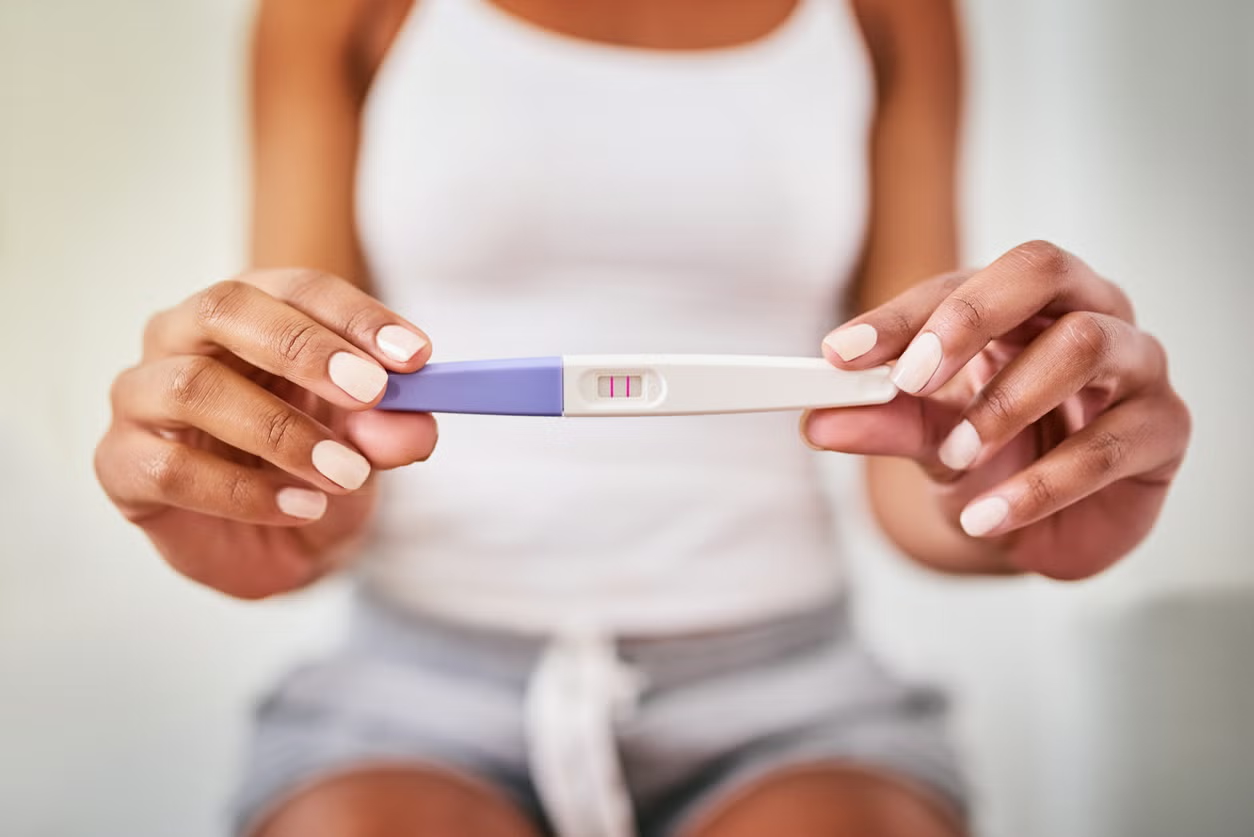
This is why healthcare providers recommend that anyone who could become pregnant begin taking a folate-containing supplement before conception. Waiting until a positive pregnancy test may already be too late for the most critical window of fetal development.
What to Look for in a Prenatal Supplement
Not all prenatal vitamins are created equal. When shopping for a prenatal, the form of folate matters. Some supplements use folic acid, while others contain methylfolate, the active form of folate that the body can use immediately without conversion. People with the MTHFR gene variant have reduced ability to convert folic acid into its usable form, which means methylfolate-based supplements may be more effective for a significant portion of the population.
Beyond folate, a high-quality prenatal typically includes iron to support increased blood volume, omega-3 DHA for fetal brain development, vitamin D3 for bone health and immune support, choline for neural development, and B vitamins for energy and metabolism. The quality of ingredient sourcing and the absence of unnecessary fillers is also worth paying attention to.
Prenatals with folate that are formulated with clinically researched ingredients and full transparency about sourcing give expecting individuals the confidence that what they are taking is both safe and effective. Ritual’s Essential Prenatal Multivitamin is one example of a product designed with these criteria in mind, using methylfolate alongside key nutrients in a delayed-release capsule form that is designed to be gentler on the stomach.
When to Start and What Else Supports a Healthy Pregnancy
The general recommendation from healthcare organizations is to start a prenatal supplement at least one month before trying to conceive, and to continue throughout pregnancy and while breastfeeding. Folate needs are elevated throughout all three trimesters, not just the first.
Supplementation should complement, not replace, a nutrient-rich diet. Foods high in natural folate include dark leafy greens such as spinach and kale, legumes, citrus fruits, avocado, and eggs. Pairing dietary folate with a quality prenatal creates a more complete nutritional foundation.
Other lifestyle factors that support a healthy pregnancy include staying well-hydrated, getting regular moderate movement approved by a healthcare provider, managing stress through rest and support systems, limiting processed foods and alcohol, and maintaining consistent prenatal appointments.
Supporting Both Short- and Long-Term Outcomes
Research consistently shows that adequate folate intake before and during early pregnancy reduces the risk of neural tube defects by up to 70 percent. Beyond this, folate supports placental development, reduces the risk of pregnancy complications including preterm birth, and contributes to healthy birth weight. Some research also suggests that adequate B-vitamin status during pregnancy may have positive implications for cognitive development in children.
Starting a prenatal supplement before pregnancy is not just a precaution. It is one of the most evidence-based actions a person can take to invest in the health of a future child and their own well-being throughout the pregnancy journey.
FAQs
Q: When should I start taking prenatals with folate?
A: Ideally at least one month before trying to conceive, since folate is most critical in the first few weeks of pregnancy when the neural tube is forming.
Q: What is the difference between folic acid and folate?
A: Folic acid is the synthetic form used in many supplements, while folate (or methylfolate) is the natural, active form. People with the MTHFR gene variant may benefit more from methylfolate-based prenatals.
Q: Can I get enough folate from food alone?
A: It is difficult to consistently meet the elevated folate needs of pregnancy through diet alone. Supplementation provides a reliable way to fill nutritional gaps.
Q: Are all prenatal vitamins the same?
A: No. They vary significantly in ingredient forms, dosages, sourcing transparency, and additional nutrients included. Look for third-party tested options with clearly disclosed ingredient sourcing.
Q: Is it safe to take prenatals if I am not yet pregnant?
A: Yes. Prenatals are safe for anyone who is trying to conceive or who may become pregnant. Starting early ensures your body has adequate folate stores when they are needed most.