India boasts extraordinary linguistic diversity with 22 scheduled languages and thousands of dialects belonging to major families like Indo-Aryan and Dravidian. While this richness strengthens cultural identity, it also creates challenges for learners. “Toughest” languages depend on the learner’s mother tongue, but common difficulties include complex scripts, intricate grammar, unique phonetics, tonal elements, and limited mutual intelligibility across families.
For Hindi or other Indo-Aryan speakers, Dravidian languages from South India often prove hardest due to completely different vocabulary, grammar structures, and scripts. For speakers of Dravidian languages or English, certain Indo-Aryan languages with heavy inflection or classical roots can be demanding. In 2026, factors like digital content, migration, and inter-state jobs make learning regional languages more relevant than ever, yet some remain notoriously challenging.
Common reasons for difficulty include:
- Script complexity: Unique alphabets with many characters or conjuncts.
- Phonetics and pronunciation: Retroflex sounds, aspirated consonants, or unique vowels that are hard for non-natives.
- Grammar: Gender, cases, verb conjugations, or agglutinative structures.
- Vocabulary and classical roots: Ancient words with minimal overlap.
- Limited resources: Fewer learning apps or immersive environments compared to Hindi or English.
Here are the Top 5 Toughest Languages in India in 2026 (ranked based on consensus from linguists, learner experiences, and comparisons across mother tongues, focusing on major scheduled languages):
| Rank | Language | Language Family | Key Challenges | Approx. Native Speakers (2026 est.) | Primary Region | Best Known For |
| 1 | Malayalam | Dravidian | Complex script, agglutinative grammar, unique phonemes (many consonants & vowels), long compound words | ~40–45 million | Kerala | Literary richness, film industry |
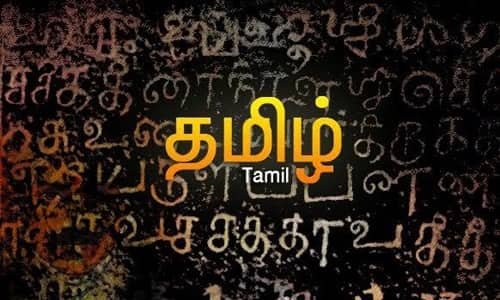
| 2 | Tamil | Dravidian | Ancient classical grammar, unique script, retroflex sounds, minimal cognates with North Indian languages | ~80–85 million | Tamil Nadu, Puducherry | Oldest classical language, Sangam literature |
| 3 | Sanskrit | Indo-Aryan (Classical) | Highly inflected grammar (8 cases, 3 genders, complex verbs), sandhi rules, vast vocabulary | ~25,000 (native; millions study) | Pan-India (liturgical) | Ancient texts, Vedas, precise structure |
| 4 | Kannada | Dravidian | Distinct script with many conjuncts, complex verb morphology, pronunciation nuances | ~60–65 million | Karnataka | Rich poetry, cinema (Sandalwood) |
| 5 | Odia | Indo-Aryan | Unique curved script, complex phonology, grammatical gender & honorifics, regional variations | ~45–50 million | Odisha | Literary tradition, Jagannath culture |
1. Malayalam – Often Called the Toughest Indian Language
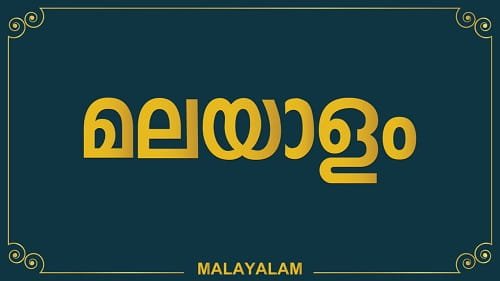
Malayalam, the official language of Kerala, tops most lists as the hardest language in India for non-native speakers. Its Dravidian roots make it unrelated to Hindi or other northern languages, creating a steep learning curve.
Challenges include a highly agglutinative grammar where words form long compounds by adding suffixes, making sentences dense and context-heavy. The script (derived from Grantha) has many characters, and pronunciation features a wide range of consonants and vowels, including sounds difficult for outsiders (e.g., specific retroflex and palatal variations). Long compound words can run into dozens of syllables, and spoken Malayalam varies significantly by region and social context.
For Hindi speakers, the complete lack of shared vocabulary and different sentence structure feels alien. Even South Indians from Tamil or Telugu backgrounds find it tricky due to unique phonetic elements. In 2026, despite growing Malayalam cinema (Mollywood) and digital content, limited beginner resources outside Kerala add to the difficulty. Learners often need years of immersion to achieve fluency, but the language’s melodic quality and literary depth make the effort rewarding.
2. Tamil – Ancient Classical Language with Deep Grammatical Roots
Tamil, one of the world’s oldest living classical languages, ranks second for its antiquity and structural complexity. Spoken primarily in Tamil Nadu, it has a rich literary tradition dating back over 2,000 years (Sangam literature).
Difficulties stem from its unique script (with fewer characters than some but complex conjunct forms), intricate grammar rules that differ sharply from Indo-Aryan systems, and distinctive retroflex sounds (like the “zh” sound, which is notoriously hard for non-natives). Tamil grammar includes elaborate verb conjugations based on tense, mood, and politeness levels, plus a vocabulary rooted in ancient Dravidian origins with little overlap for Hindi or English speakers.
The language’s resistance to heavy Sanskrit influence preserves its purity but increases the learning barrier. Tamil pride and language movements have strengthened its use in education and media, yet for outsiders, mastering spoken and written forms requires dedicated effort. In 2026, Kollywood films and Tamil diaspora content help, but the classical depth makes casual learning challenging.
3. Sanskrit – The Language of Precision and Ancient Wisdom
Sanskrit, though not a daily spoken language for millions, remains one of the toughest due to its classical status and extreme grammatical sophistication. It serves as the liturgical language for Hinduism, Buddhism, and Jainism, with millions studying it for religious or academic purposes.
Its complexity lies in the highly inflected system: eight cases, three genders, complex verb conjugations, and “sandhi” rules where words blend at junctions, changing forms dramatically. The Devanagari script is shared with Hindi, but vocabulary and structures are far more intricate, with thousands of roots generating vast derivatives. Precision is legendary — a single word can convey what takes sentences in other languages.
For modern learners, the lack of everyday conversation practice and focus on texts (Vedas, epics like Ramayana and Mahabharata) make it demanding. In 2026, renewed interest through yoga, Ayurveda, and computational linguistics has increased resources, yet mastering Sanskrit for fluent reading or speaking remains a scholarly pursuit requiring years of study.
4. Kannada – Distinct Dravidian Structure and Script Challenges
Kannada, the official language of Karnataka, presents significant hurdles for non-natives, especially those from North India. Its Dravidian grammar differs fundamentally from Hindi, with complex verb morphology, honorific systems, and sentence structures that emphasize subject-object-verb order in nuanced ways.
The Kannada script features many characters and conjunct consonants that combine in intricate ways, making reading and writing tough for beginners. Pronunciation includes sounds that do not exist in many other Indian languages, and spoken Kannada has regional dialects that add layers of difficulty.
Karnataka’s vibrant culture, including classical music, literature, and Sandalwood cinema, motivates learners, but the script and grammar create a steep initial barrier. In 2026, with Bengaluru as a tech and startup hub attracting migrants, more people attempt Kannada, yet it consistently ranks high in difficulty for outsiders.
5. Odia – Unique Script and Phonological Complexity
Odia (formerly Oriya), spoken mainly in Odisha, rounds out the top five with its distinctive features. As an Indo-Aryan language, it shares some roots with Hindi or Bengali, but its curved, rounded script (one of the most visually unique in India) poses reading and writing challenges. Many letters look similar, requiring careful distinction.
Phonology includes aspirated and retroflex sounds, plus grammatical elements like gender and complex postpositions. Regional variations and literary traditions add depth but complicate mastery. Odia’s rich cultural ties to Jagannath traditions and literature make it rewarding, yet for non-Odia speakers, the script and subtle pronunciation differences create notable hurdles.
Why These Languages Rank as the Toughest in 2026
India’s linguistic divide between Indo-Aryan (North) and Dravidian (South) families is the biggest factor — crossing this boundary often feels like learning an entirely new language family. Scripts play a huge role; while Devanagari is familiar to many, southern scripts or unique ones like Odia demand separate mastery. Grammar systems vary widely: Dravidian languages tend toward agglutination, while classical ones like Sanskrit emphasize inflection.
Demographic and social factors matter too. Migration for jobs pushes people to learn local languages, but high difficulty leads to reliance on Hindi or English in cities. Digital tools, apps, and YouTube channels have improved access in 2026, yet immersive practice remains key. Smaller languages or tribal ones can be even harder, but among major scheduled languages, these five stand out.
Challenges exist for everyone: A Tamil speaker may struggle with Hindi’s gender and postpositions, while a Hindi speaker finds Malayalam’s sounds alien. Multilingualism is common in India, but achieving fluency in these tough languages earns respect and deeper cultural connection.
Final Thoughts
In 2026, Malayalam, Tamil, Sanskrit, Kannada, and Odia continue to be among the toughest languages in India due to their unique scripts, complex grammar, phonetics, and limited crossover with other tongues. Learning them requires patience, consistent practice, and often immersion in the respective states.
Yet the rewards are immense — accessing rich literatures, films, music, and local communities that English or Hindi alone cannot fully unlock. India’s “unity in diversity” shines through its languages; tackling a tough one builds resilience and cultural appreciation.
Whether for career, travel, marriage, or personal growth, attempting these languages highlights India’s linguistic depth. Start with basics via apps, then seek conversations or media in the target language.
Which of these languages have you tried learning or found challenging? Share your experiences or tips in the comments.
Frequently Asked Questions (FAQs)
Q1. Which is the toughest language in India overall?
A: Malayalam is most frequently cited as the hardest for non-native speakers due to its phonetics, grammar, and script.
Q2. Does difficulty depend on the learner’s mother tongue?
A: Yes — a Hindi speaker may find Dravidian languages toughest, while a Tamil speaker might struggle more with certain northern or classical languages.
Q3. Are there easier ways to learn these tough languages in 2026?
A: Yes — online courses, language exchange apps, regional cinema with subtitles, and government initiatives have increased resources, though immersion remains best.
Q4. Why learn a tough regional language instead of Hindi or English?
A: It builds stronger local connections, opens job opportunities in specific states, and provides deeper cultural understanding that link languages cannot replace.