Did you know Bayer and Syngenta together control over 40% of India’s ₹380 million maize seed market, and yet the broader Indian seed industry is still genuinely fragmented, with dozens of regional seed houses competing right alongside these global giants? India’s overall seed market is worth around $4.03 billion in 2026 and growing at a steady 5.48% CAGR, and honestly, the mix of global biotech muscle and homegrown farmer-focused companies is what makes this sector genuinely interesting to watch. Let’s dig into the top 10 seed companies in India 2026.
1. Mahyco (Maharashtra Hybrid Seeds Company)
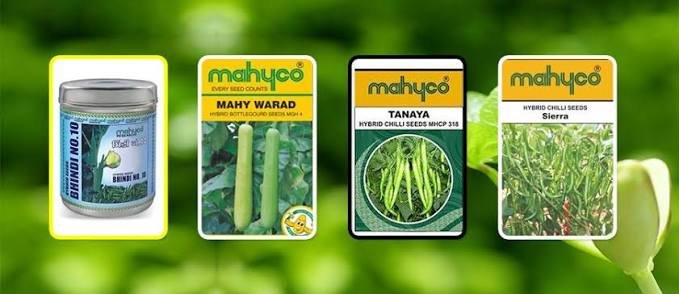
Mahyco’s genuinely one of the pioneers of India’s private seed industry, starting its journey way back in 1964 with over 50 years of experience now under its belt. They’ve worked extensively across cotton, maize, paddy, sorghum, sunflower, vegetables, and fruits, and made a real splash with their 2024 partnership with RiceTec, launching herbicide-resistant rice varieties that specifically tackle the weed problem plaguing so many Indian farms. On top of that, Mahyco committed a genuinely massive $300 million investment back in 2022, a real statement of intent about equipping Indian farmers with better seeds long-term.
2. Nuziveedu Seeds Ltd (NSL)
Founded in 1973, Nuziveedu is genuinely one of the largest seed suppliers in India, with a strong presence in both domestic and international markets. They specialise in hybrid seeds for cotton, maize, paddy, sorghum, and sunflower, and they’ve built dedicated Seed Technology Labs specifically to check seed quality, which honestly says a lot about how seriously they take their reputation. Their new wheat variant, BADSHAH, is a good example of how they keep tailoring products to actual Indian farming challenges rather than just importing generic hybrids.
3. Kaveri Seed Company
Kaveri’s a genuine leader in the Indian seed market, with a heavy focus on R&D that pours into hybrid seed development for maize, cotton, sunflower, and paddy. They’re currently running seven processing plants and operating across eighteen states, making them a supplier that basically touches farmers across the entire subcontinent. Their strong farmer outreach programs are also a big part of why they’ve built such loyalty over the years.
4. Rasi Seeds
Rasi’s known specifically for high-yield hybrid seeds, and it’s particularly strong in cotton, maize, paddy, and pearl millet (bajra). They’ve built a genuine reputation for innovation and farmer-focused solutions, and honestly, in a market this fragmented, being known as “the cotton specialist” or “the hybrid rice leader” is exactly the kind of positioning that keeps a regional player relevant against the bigger multinationals.
5. Bayer CropScience
Bayer’s one of the global giants dominating India’s seed landscape, and together with Syngenta, it captures over 40% of the maize seed market alone. Their deep R&D pipelines and proprietary trait stacks give them a genuine technological edge that most domestic seed houses simply can’t match on their own, which is exactly why multinationals like Bayer tend to lean on biotech innovation rather than pure dealer-network reach.
6. Syngenta India
Syngenta’s well-established in the Indian seed market, particularly known for hybrid corn and rice offerings. They opened a Seed Health Lab in Hyderabad back in 2024, specifically to ensure their seeds stay free of pathogens, a genuine commitment to quality that matters a lot when you’re selling to farmers whose entire season’s income depends on that seed performing.
7. Advanta Seeds (UPL Group)
Advanta, now part of UPL Limited, offers a genuinely diverse range of hybrid seeds tailored to different agro-climatic zones across India, with a strong emphasis on sustainable agriculture practices. Being backed by UPL’s broader agrochemical business gives Advanta access to resources and distribution that a standalone seed company wouldn’t have on its own.
8. Corteva Agriscience
Corteva’s one of the major global players operating in India’s seed sector, bringing serious biotech and breeding expertise into the market. They’re regularly named among the top five companies in specific crop categories like maize, competing directly with Bayer and Syngenta for the high-tech, trait-stacked hybrid segment.
9. VNR Seeds
VNR Seeds has built a genuinely interesting niche, particularly through its collaboration with PowerPollen, bringing pollen-capture technology into corn seed production specifically to boost hybrid vigor and seed set efficiency. It’s a good example of how regional Indian seed companies are increasingly partnering with specialized ag-tech firms rather than trying to build every capability in-house.
10. JK Agri Genetics
JK Agri Genetics rounds out the list as one of the established, respected names in India’s seed industry, regularly mentioned alongside Kaveri and Rasi Seeds. It’s part of the broader JK Organisation, giving it genuine corporate backing while still maintaining a strong, farmer-focused presence in its core crop categories.
Frequently Asked Questions
Q1. Which company genuinely dominates India’s seed market overall?
A: No single company dominates, India’s seed market is described as moderately fragmented, with the top five players (Bayer, Corteva, Kaveri, Nuziveedu, and Syngenta) collectively controlling around 56.72% of just the maize seed segment specifically, while other crops like rice remain even more fragmented with no single dominant player.
Q2. Should farmers just pick the biggest, most well-known seed brand?
A: Not necessarily, the smarter approach experts recommend is asking which seed variety genuinely suits your specific soil, climate, water availability, and local market conditions, rather than simply defaulting to whichever brand name is most recognisable.
Q3. What’s the difference between global companies like Bayer and Syngenta versus domestic ones like Kaveri and Nuziveedu?
A: Multinationals like Bayer and Corteva typically lean on deep R&D pipelines and proprietary trait stacks for genetic innovation, while regional champions like Nuziveedu and Kaveri wield intimate agro-ecological knowledge and extensive dealer networks built specifically around understanding local farming conditions.
Q4. How big is India’s overall seed market expected to grow?
A: The India seed market, valued at USD 4.03 billion in 2026, is projected to grow at a 5.48% CAGR to reach USD 5.26 billion by 2031, driven partly by advancements in hybrid breeding technology and growing demand for climate-resilient crop varieties.
Q5. What’s a good example of innovation happening in the Indian seed industry right now?
A: Mahyco’s 2024 partnership with RiceTec introduced herbicide-resistant, direct-seeded rice hybrids that support water conservation and mechanization, while VNR Seeds’ collaboration with PowerPollen brings pollen-capture technology to corn seed production, both genuine examples of technology partnerships reshaping traditional seed breeding.