Is buying property in a minor’s name legal in India? Yes: a child can own property, but can’t sign a contract or register a deed, so a parent or legal guardian does the buying on the child’s behalf, pays full stamp duty and then needs a court’s prior permission to sell, mortgage or gift it while the child is under 18. The rental income is added to the higher-earning parent’s income for tax. Some sources say “technically no,” and the difference is about who signs, not who owns. This is general information, not legal or tax advice.
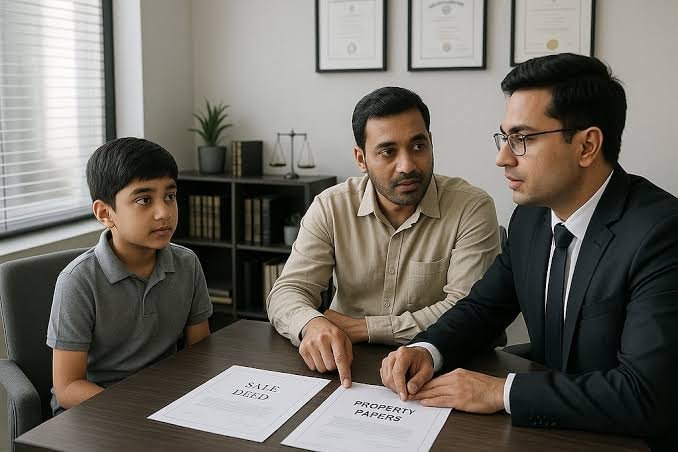
The Essentials
- Can a minor own property: yes, as owner on the title
- Can a minor buy it personally: no, a guardian acts for the child
- Stamp duty: payable in full, with no exemption for minors
- Selling later: needs prior court permission, or the sale can be challenged
- Tax: the child’s income from the property is generally clubbed with the higher-earning parent’s income
Owner Versus Buyer
The confusion lies in two different ideas.
- Minors can legally own property but cannot buy it themselves, according to Outlook Money
- They can’t register a sale deed on their own under the Registration Act, 1908, and the Indian Majority Act, 1875 and the Hindu Minority and Guardianship Act, 1956 come into play, according to the same source
- Outlook Money’s conclusion that you “technically” can’t buy property in a minor’s name refers to the minor acting alone
- The 99acres explainer describes the same situation more simply: the property is registered in the minor’s name, and the legal guardian, usually a parent, manages it
How the Purchase Works
The paperwork follows a set pattern.
- The sale deed is drafted with the guardian signing on behalf of the child, according to Outlook Money
- The guardian files an affidavit declaring responsibility for managing the property in the child’s best interests
- The full applicable stamp duty must be paid, and there are no exemptions for minors
- The deed, with identification and any court permissions, goes to the local sub-registrar
- Once registered, the property records should show the child’s name and the guardian’s authority over it
- Another guide describes transferring the property first to the guardian and then to the minor, which is a different structure, so ask your lawyer which one the sub-registrar in your state accepts
Who Counts as the Guardian
Religion and circumstances matter.
- For Hindus, the natural guardian is usually a parent, under the Hindu Minority and Guardianship Act, 1956, according to Assetly
- Other communities and cases are covered by the Guardians and Wards Act, 1890, which has similar provisions requiring court permission, according to Restthecase
- If the child has no living parent, a court-appointed guardian may be needed
Gifts to a Minor
A gift is the other common route.
- A minor can sign as a donee on a gift deed, according to Navi Mumbai Houses, and the guardian accepts on the child’s behalf
- A gift from a grandparent is fully exempt as a gift from a lineal ascendant, according to Ghar.tv, which cites Section 56(2)(x) of the Income Tax Act, 1961
- Where the donor isn’t a relative, the entire stamp duty value becomes the child’s taxable income, according to the same source
- Stamp duty on a gift deed is still due under state rules
The Income Tax Angle
Clubbing is the main tax surprise.
- If a minor’s property earns rent, the income is clubbed with the parent whose total income is higher, under Section 64(1A) of the Income-tax Act, 1961, according to Outlook Money and 99acres
- It covers all of a minor child’s income, including rent, interest and capital gains, with only ₹1,500 per child exempt, according to Ghar.tv
- A child with a specified disability is taxed in their own hands with no clubbing, according to the same source
- Rental income carries a standard 30% deduction, according to Navi Mumbai Houses
- The Income-tax Act, 2025 replaces the 1961 Act from 1 April 2026, so section numbers have changed, but the sources I found still cite the old ones, so ask your accountant for the current provisions
Funding the Purchase
Where the money comes from matters.
- A property bought in the name of an unmarried child from the buyer’s known, declared income paid through banking channels falls within an exception under the Benami Act, as covered earlier in this series
- If the money is undeclared, the child’s name on the title may look like a front, and the benami law’s penalties and confiscation could apply
- Keep bank records showing that the funds came from the parent’s declared income
Home Loans
Lenders add their own conditions.
- A minor can’t enter a loan contract, so the child generally can’t be a borrower or co-borrower
- Whether a lender will lend against a property in a minor’s name, with the parent as borrower, depends on the bank, and these sources don’t cover it
- Ask the lender before you commit to a structure
Selling Later: The Court Gate
This is the rule that catches families.
- Section 8 of the Hindu Minority and Guardianship Act bars a natural guardian from selling, mortgaging or gifting a minor’s immovable property without prior permission of the district court, according to Assetly
- Section 8(2) covers transfers by sale, gift, exchange or any other mode, according to 99acres
- Permission is granted only for necessity or evident advantage to the minor, according to Ghar.tv
- The guardian files a petition, usually before the district court or the designated guardian court, under Section 8 read with the Guardians and Wards Act
What Happens Without Permission
The sources split on the label.
- Section 8(3) makes such a disposal voidable at the minor’s instance, according to Restthecase and Assetly
- Another guide says a sale without court approval is deemed void if contested by the minor after turning 18, according to Builders Friend, and Restthecase elsewhere says a sale without permission is void and transfers no title
- The child can challenge the sale for three years after turning 18, according to Ghar.tv
- In Saroj v. Sunder Singh (2014), the Supreme Court held that court permission under Section 8(2)(a) is mandatory, according to Restthecase
- Registration doesn’t cure the missing permission, according to the same source
A Buyer’s Warning
If you’re buying from a minor’s guardian, check carefully.
- A buyer who purchases a minor’s property without court permission risks losing it later
- Ask for the court order, read it and check it covers the exact property and sale
Why Families Do It
The reasons are practical.
- Estate planning, since the property passes to the child automatically on reaching majority
- Gifts from relatives to a child aren’t taxed, as above
- A sense of security for the child’s future
Why You Might Not
The trade-offs are real.
- Rental income and gains are clubbed with the parent’s income, so there’s little tax saving
- You can’t sell the property freely until the child is an adult, or without a court order
- At 18, the child owns it outright, and you have no right to override their decision
- Family disputes can follow if circumstances change
Where the Sources Disagree
A few details differ.
- Whether a sale without court permission is void or voidable
- Whether the title is registered directly in the child’s name or passes through the guardian first
- The tax section numbers, which are changing under the new Income-tax Act
- Many sources are real estate sites, so check with a lawyer and your state’s registration rules
FAQs
Q1. Is buying property in a minor’s name legal in India?
Yes. A minor can own property, but a parent or guardian signs the deed for them, and the child can’t act alone.
Q2. Do minors get a stamp duty exemption?
No. The full applicable stamp duty must be paid on the sale deed, as per state rules, whether the buyer is a minor or an adult.
Q3. Can parents sell a minor’s property?
Only with prior permission from the district court under Section 8 of the Hindu Minority and Guardianship Act. A sale without it can be challenged by the child.
Q4. Who pays tax on a minor’s rental income?
The parent with the higher income, because Section 64(1A) clubs the minor’s income with theirs, with a small exemption per child.