Applying for Voluntary Retirement (VRS) is one of the most important service decisions an employee can make. Unlike normal retirement, VRS is employee-initiated and strictly rule-bound. Once approved, it directly affects your pension eligibility, gratuity, leave encashment, and future government employment.
In 2026, Central Government departments and many states process voluntary retirement digitally through e-HRMS 2.0, integrated with the Bhavishya pension system. This means your application, approval, and pension papers move together in a single workflow.
What Is Voluntary Retirement?
Voluntary Retirement allows a government employee to retire before the normal age of superannuation, provided they meet service conditions.
Basic Eligibility (Central Govt – 2026)
- 20 years of qualifying service, or
- 30 years of qualifying service (depending on service rules), or
- As per specific cadre/service rules
Once approved, VRS cannot be withdrawn without competent authority’s consent.
Before You Apply (Very Important)
Before opening the HRMS portal, ensure these are complete:
- Your e-Service Book is 100% verified
- Pay level, promotions, and leave records are correct
- Vigilance clearance is clean
- No pending disciplinary proceedings
- Pension module is visible in your dashboard
If your profile is incomplete, the VRS option may not appear.
Step-by-Step: Apply for Voluntary Retirement in e-HRMS 2.0
Step 1: Log In
- Visit ehrms.gov.in
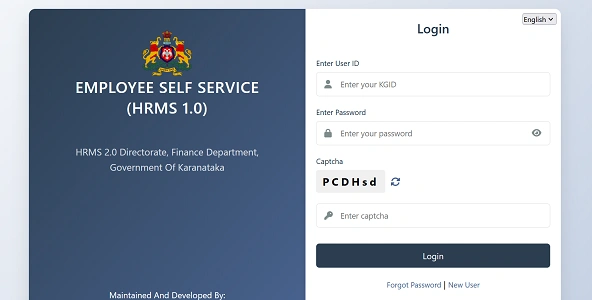
- Log in via e-Parichay (NIC / Gov email + OTP)
Step 2: Open Retirement / Pension Module
From the dashboard, go to:
- Employee Services
- Retirement / Pension
- Select Voluntary Retirement
(Some portals label this as “Apply for Retirement” → “Voluntary”)
Step 3: Choose Retirement Type
Select:
- Voluntary Retirement (VRS)
The system will automatically show:
- Date of joining
- Qualifying service
- Earliest permissible retirement date
If you are not eligible, the system will block submission.
Step 4: Enter Proposed Retirement Date
- Select the intended date of retirement
Ensure:
- Minimum notice period (usually 3 months) is satisfied
- Date does not clash with suspension / inquiry period
The notice period starts from the date of submission, not approval.
Step 5: Provide Reason (Mandatory)
In the remarks box, write a brief and professional reason, such as:
- Personal reasons
- Health reasons
- Family circumstances
Avoid emotional or vague language.
Step 6: Upload Documents (If Asked)
Some departments require:
- Self-declaration
- Medical certificate (if health-related)
- Undertaking regarding pending dues
Upload PDFs (usually under 1–2 MB).
Step 7: Submit & E-Sign
- Click Submit
- Complete Aadhaar-based e-Sign / OTP
- A confirmation message will appear
Your application is now officially recorded.
What Happens After Submission?
Approval Workflow
1. Reporting Officer reviews and forwards
2. Head of Office (HOO) verifies service records
3. Competent Authority approves or rejects
4. Case moves to Bhavishya for pension processing
You can track status under:
- My Requests
- Application Status
Notice Period Rules
| Rule | Explanation |
| Notice | Usually 3 months |
| Salary during notice | Fully payable |
| Withdrawal | Only before acceptance |
| Deemed acceptance | Not automatic |
Do not assume approval until status shows “Accepted / Sanctioned”.
After VRS Is Accepted
Once approved:
- Retirement date is frozen
- Pension case opens automatically
- Leave encashment is calculated
- GPF/NPS settlement starts
- PPO is generated before retirement date
You will later receive:
- Pension Payment Order (PPO)
- Gratuity details
- Final settlement statement
Common Reasons for Rejection or Delay
- Incomplete service book
- Pending vigilance case
- Incorrect qualifying service
- Missing pay fixation
- Disciplinary proceedings
Always resolve these before applying.
Important Tips
- Download a copy of submitted VRS application
- Keep screenshots of status changes
- Do not plan travel/employment until acceptance
- Consult Accounts / Pension section if unsure
Final Words
Voluntary retirement through e-HRMS is transparent, traceable, and legally strong—but only if your records are clean. Treat the application like a final audit of your service life. A little preparation before clicking “Submit” can ensure a smooth exit and timely pension.
![List of Traditional Dress of Manipur [For Men and Women]](https://hrmsunfold.com/wp-content/uploads/2026/06/List-of-Traditional-Dress-of-Manipur-For-Men-and-Women.jpg)