Patient transport equipment sits at the intersection of safety, efficiency, and clinical outcomes. In hospitals, emergency medical services, and long-term care facilities, the tools used to move patients from one location to another directly affect staff workload, patient comfort, and the speed at which care can be delivered. For procurement managers, facility directors, and EMS coordinators, choosing the right equipment is a decision that carries both operational and patient safety implications.
Stretchers are among the most essential items in any clinical or emergency environment. They need to be durable enough to handle repeated use under demanding conditions, safe enough to protect patients during transport, and practical enough to allow staff to operate them efficiently without risk of musculoskeletal injury.
Types of Stretchers and Their Applications
Not all stretchers serve the same purpose, and understanding the distinctions helps facilities select the right equipment for their specific workflow.
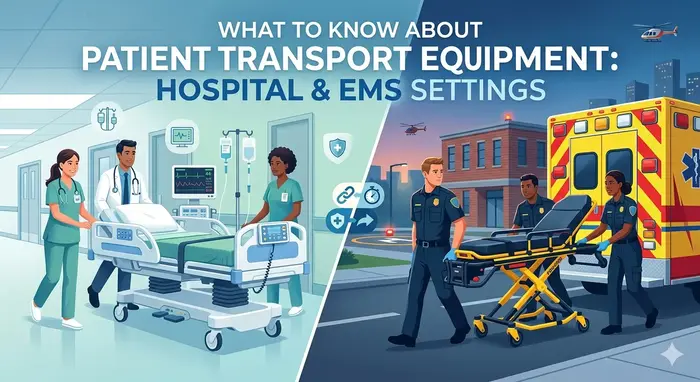
Transport stretchers are designed for moving patients within hospital environments, such as between wards, imaging departments, and operating theaters. These need to be stable, adjustable, and easy to maneuver in tight corridors.
Emergency stretchers used by EMS teams require additional features, including collapsible frames for easy loading into ambulances, low-maintenance surfaces that can be cleaned and sanitized quickly, and structural integrity under varying load conditions.
Transfer stretchers serve patients being moved between facilities or vehicles, requiring compatibility with both ambulance mounts and hospital docking points.
Top brands in this space, including Stryker and Ferno, produce equipment engineered specifically for these different use cases, with features like hydraulic height adjustment, aluminum alloy frames, and load ratings up to 700 pounds. Suppliers like Stretchers R Us carry new and refurbished models from these manufacturers, providing access to professionally inspected equipment at various price points.
Why Equipment Quality Matters in Emergency Settings
In trauma and emergency care environments, equipment reliability is not a secondary consideration. A stretcher that malfunctions during patient transport can compromise care delivery and create liability for the facility. Staff who regularly use poorly designed or worn equipment also face higher rates of injury, particularly back injuries related to awkward lifting or unstable transfer surfaces.
Modern stretchers address these concerns through design features like powered height adjustment, side rail systems, and integrated locking mechanisms. Facilities that invest in high-quality transport equipment consistently report better outcomes in staff injury rates and patient experience scores.
Refurbished vs. New Equipment
For facilities with constrained budgets, professionally refurbished stretchers offer a cost-effective alternative to new units. Reputable suppliers put refurbished equipment through detailed inspection and reconditioning processes at their facilities before shipping, ensuring performance standards are met before delivery. Understanding what the refurbishment process includes, such as component replacement, surface reconditioning, and functional testing, helps buyers make informed decisions.
Frequently Asked Questions
Q: What brands of stretchers are most commonly used in EMS settings?
Ans: Stryker and Ferno are among the most widely used brands in North American EMS environments, known for their durability, load capacity, and ergonomic design.
Q: What is the typical load capacity of a hospital stretcher?
Ans: Load ratings vary by model, but many professional-grade stretchers support between 500 and 700 pounds depending on the design and intended use.
Q: Are refurbished stretchers safe to use in clinical settings?
Ans: Yes, when purchased from a reputable supplier that conducts rigorous inspection and recertification. Buyers should confirm what the refurbishment process includes before purchasing.
Q: How long do professional stretchers typically last?
Ans: With proper maintenance and cleaning, high-quality stretchers can remain in service for many years. Regular inspection for frame integrity, locking mechanisms, and surface condition is recommended.
Q: Can stretchers be used in facilities outside of hospitals?
Ans: Yes. Stretchers are commonly used in urgent care centers, rehabilitation facilities, nursing homes, sports arenas, and industrial sites where emergency response capability is required.