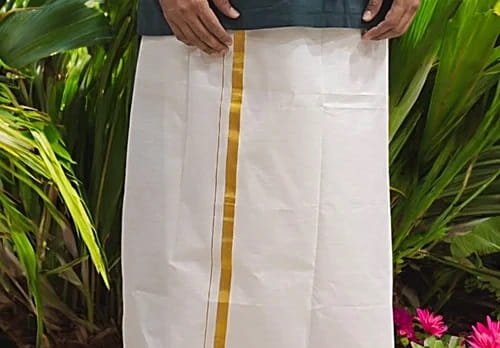
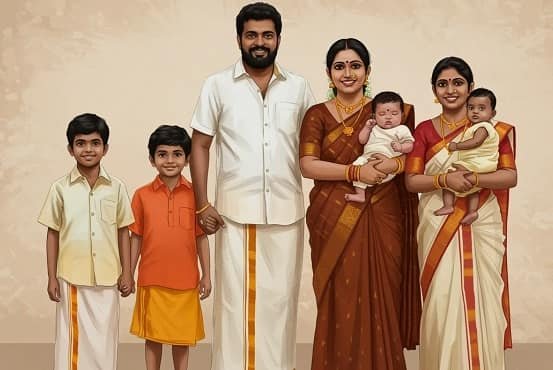
The saree is India’s most enduring, most celebrated, and most culturally significant garment — a single piece of unstitched fabric between five and nine metres long that has been draped across Indian women’s bodies for over 5,000 years without requiring a single stitch, pin, or button to create one of the world’s most graceful and versatile garments. Across India’s extraordinary regional diversity — from the silk-weaving traditions of Kanjivaram in Tamil Nadu to the gossamer-fine muslins of Dhaka, from the vibrant block-printed cottons of Rajasthan to the zari-heavy brocades of Varanasi — the saree exists in hundreds of distinct regional forms, each reflecting the particular artistic heritage, natural resources, and cultural identity of its place of origin.
India’s saree market — estimated at over ₹50,000 crore annually — spans the full spectrum from ₹300 polyester sarees sold in weekly markets to multi-lakh handwoven silk masterpieces that represent months of skilled artisanal labour. The organised branded saree market has grown significantly as urban Indian women seek quality assurance, design consistency, and the authentication that established brands provide — particularly for significant purchases like bridal sarees, where the investment can run into lakhs and the cost of being deceived about fabric authenticity or weaving quality is substantial.
| Rank | Brand | Headquarters | Price Range | Best Known For |
| 1 | Nalli Silks | Chennai, Tamil Nadu | ₹3,000–₹5,00,000 | Kanjivaram silk, bridal sarees |
| 2 | Taneira (Titan) | Bengaluru | ₹2,500–₹2,00,000 | Handloom authentication, pan-India |
| 3 | Fabindia | New Delhi | ₹1,500–₹30,000 | Handloom cotton, sustainable fashion |
| 4 | Meena Bazaar | New Delhi | ₹2,000–₹1,50,000 | Bridal collection, embroidery |
| 5 | Kumaran Silks | Chennai, Tamil Nadu | ₹2,500–₹3,00,000 | South Indian silk, traditional weaves |
1. Nalli Silks — India’s Most Iconic Saree Brand
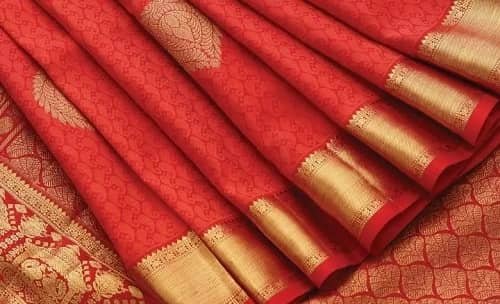
Nalli Silks is arguably India’s most famous and most revered saree brand — a name that is synonymous with authentic Kanjivaram silk sarees in the Tamil Nadu tradition and one that has maintained its position as the gold standard for Indian silk saree authentication for over nine decades. Founded in 1928 in Chennai by Nalli Chinnasami Chetty, the brand began as a single store in Panagal Park, T. Nagar — which remains one of Chennai’s most visited shopping destinations today — and has expanded to multiple locations across India while maintaining the sourcing integrity and quality standards that made its reputation.
Nalli’s most significant contribution to the Indian saree market is its rigorous authentication system for Kanjivaram silk sarees — ensuring that every saree sold under the Nalli label is genuinely woven in Kanchipuram by traditional weavers using real mulberry silk and genuine zari (gold and silver thread), rather than the imitation products that flood the market targeting uninformed buyers. The brand’s weaver partnerships — maintaining direct relationships with the artisan communities of Kanchipuram who have practised the weaving tradition for generations — provide both quality assurance and the traceability that conscious consumers increasingly require.
Nalli’s collection spans the full range of the Kanjivaram tradition — from the deeply saturated single-colour silk sarees with contrasting borders and pallu that are the Tamil wedding staple, to elaborate design-forward contemporary interpretations that pair traditional weaving technique with modern colour palettes and motif sensibilities. The brand’s bridal collection — featuring the rich, heavy silk sarees that are essential to the traditional South Indian wedding trousseau — is among the most respected in the country, drawing customers from across India and the global Tamil diaspora.
Beyond Kanjivaram, Nalli has expanded to cover other major Indian silk weaving traditions — Mysore silk, Banarasi silk, Paithani, Chanderis, and more — giving the brand a genuinely national handloom saree portfolio accessible from a single trusted source.
2. Taneira (Titan) — The Pan-India Handloom Curator
Taneira — launched by Titan Company (a Tata Group company) in 2017 — has rapidly established itself as one of India’s most respected and authentically curated saree brands through a business model that directly addresses the Indian saree market’s most significant consumer pain point: the difficulty of verifying the authenticity of handloom sarees when purchasing from unfamiliar sources. Taneira’s model centres on direct sourcing from artisan clusters across India — the brand maintains partnerships with weaver communities in Varanasi, Kanchipuram, Orissa, Chanderi, Maheshwar, Pochampally, Dharmavaram, and dozens of other handloom centres — providing authentication, quality grading, and brand-backed assurance that every saree in its collection is genuinely what it is claimed to be.
The Tata Group’s institutional credibility and consumer trust — established across decades of Indian business across automotive, retail, hospitality, and consumer goods — transfers powerfully to Taneira’s saree retail proposition. Indian consumers who might be uncertain about a small regional saree retailer’s claims of authenticity have complete confidence in Tata-backed assurance, making Taneira the natural choice for significant purchases where authenticity matters.
Taneira’s retail design — beautiful, boutique-format stores with experiential saree-draping counters, knowledgeable staff trained in handloom traditions, and digital storytelling about each saree’s weaving origin — has transformed saree shopping from a transactional negotiation into an educational and aesthetic experience that the urban Indian woman of today finds genuinely appealing. The brand’s online presence extends its accessibility nationally, with authentication documentation accompanying digital purchases.
3. Fabindia — The Handloom Cotton Champion
Fabindia has carved a distinctive and deeply loyal niche in India’s saree market through its unwavering commitment to hand-woven and hand-block-printed cotton and linen sarees — positioning itself as India’s premier destination for everyday handloom sarees that combine natural fabrics, authentic craft traditions, and contemporary design sensibility at accessible price points. While Nalli and Taneira’s primary identity is around silk sarees for formal and festive occasions, Fabindia’s saree strength lies in the daily-wear and smart-casual segment where its hand-woven cotton, linen, and silk-cotton blend sarees serve urban professional women who want to wear handloom every day.
Fabindia’s supply chain model — built around direct partnerships with artisan producer companies across India — supports hundreds of thousands of craft and textile artisans while ensuring quality and consistency that individual artisan direct sales often cannot match. The brand’s block-print sarees from Rajasthani artisan clusters, its handloom cotton sarees from Bengali and Orissa traditions, and its contemporary interpretations of traditional Indian textile craft represent some of India’s best accessible everyday handloom value.
The brand’s environmental and sustainability credentials — hand-woven fabrics have a dramatically lower carbon footprint than power-loom or machine-woven alternatives — resonate strongly with a growing segment of Indian women who see their saree purchase as both a personal style choice and a vote for sustainable fashion and artisan livelihood support.
4. Meena Bazaar — The Bridal Destination
Meena Bazaar has established itself as one of North India’s most respected destinations for wedding and festive sarees — the brand’s particular strength lying in its embroidered, embellished, and heavily worked sarees that serve the specific requirements of Indian bridal and occasion dressing where richness of detail, weight of fabric, and opulence of ornamentation are the primary design values. The brand’s collections draw heavily on the embroidery traditions of Lucknow chikankari, Banaras zari work, and various other North Indian textile artistry traditions that have been central to the bridal saree market for generations.
Meena Bazaar’s position in the bridal market is built on the trust that generations of North Indian families have placed in the brand for significant wedding trousseau purchases — the handover of a Meena Bazaar saree carrying an implicit quality assurance that the market has validated repeatedly. The brand’s stores — primarily in Delhi-NCR and other North Indian markets — create a shopping environment appropriate to the significant financial and emotional weight of bridal saree selection.
5. Kumaran Silks — South India’s Heritage Brand
Kumaran Silks — with its flagship store in T. Nagar, Chennai — has built one of South India’s most respected saree retail reputations through decades of consistent quality in silk sarees across the major South Indian silk weaving traditions. The brand’s extensive Kanjivaram collection, combined with its range of Mysore silks, Pochampally ikats, and Dharmavaram silks, makes it one of Chennai’s premier destinations for South Indian wedding and festive saree requirements. Kumaran Silks’ reputation for authentic zari and genuine silk has made it a trusted name for the Indian diaspora community returning home for significant purchases.
Frequently Asked Questions (FAQs)
Q: Which is the best saree brand in India? A: Nalli Silks is India’s most iconic and trusted saree brand, particularly for Kanjivaram silk. Taneira is best for pan-India handloom variety with authentication assurance.
Q: Which brand is best for bridal sarees in India? A: Nalli Silks and Kumaran Silks for South Indian brides requiring Kanjivaram silk; Meena Bazaar for North Indian bridal sarees with embroidery and embellishment.
Q: Are handloom sarees from branded stores more expensive than market sarees? A: Branded sarees typically cost more than unbranded market alternatives — but the premium buys authenticity verification, quality assurance, and the confidence that what you are paying for is genuinely what you receive.