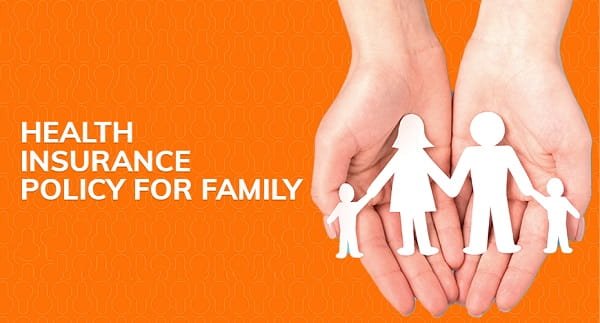
A health insurance policy for family is one of the most practical ways to protect your loved ones from rising medical costs. In fact, healthcare inflation in India is increasing significantly every year, one of the highest in Asia.
A family health insurance policy helps manage these expenses while ensuring every family member receives timely medical care without financial stress.
A health insurance policy is the financial foundation that determines whether a medical emergency disrupts years of household savings or is absorbed without lasting damage. Selecting the right health insurance policy requires examining the structural variables that produce real claim outcomes rather than the headline sum insured alone. A health insurance policy that caps room rent at ₹2,000 in a hospital charging ₹5,500 generates proportional balance bills across every linked hospitalisation charge — ICU, nursing, surgical consumables — not just the room itself. The policy wording document is the only reliable source of these limitations; the product brochure highlights inclusions and obscures exclusions. When evaluating any health insurance policy, read the full wording, check the insurer’s claim settlement ratio on IRDAI’s published data, verify cashless hospital network density in your city, and confirm whether day care procedures and domiciliary treatment qualify for reimbursement. A health insurance policy that performs well at claim time — not just at purchase — is the only one worth the annual premium.
What are the Benefits of Having a Health Insurance Policy for Family?
A health insurance policy for family in India provides coverage for multiple family members under a single plan. Instead of purchasing separate policies for each individual, families can share a common sum insured. It makes the plan convenient and cost-effective for families.
Here are the key advantages of having a family health insurance policy.
Financial Protection Against Medical Expenses
Hospitalisation costs in India have increased sharply over the past decade. According to ET Healthworld, out-of-pocket healthcare spending still accounts for nearly 48% of total health expenditure in India. A family insurance plan reduces this burden by covering hospitalisation, treatments, and related medical expenses.
Coverage for Multiple Members Under One Policy
A family plan usually covers spouses, children, parents and sometimes parents-in-law. This means everyone is protected under one policy rather than managing separate policies for each member.
Cost Efficiency Compared to Individual Plans
The health insurance policy price for family can usually be lower than buying separate policies for each family member. Because the coverage is shared, insurers can offer better premiums.
Cashless Hospitalisation Facility
Many insurers offer cashless treatment in network hospitals across multiple cities in India. Many insurance providers allow policyholders to receive treatment without paying upfront at their wide range of network hospitals.
What are the Different Types of Family Health Insurance Policies?
Different insurers offer various types of family health insurance plans depending on coverage, affordability, and medical needs. Understanding these options helps you select the best health insurance policy for family in India. Here are some different types of family health insurance policies:
Comprehensive Insurance Policy
A comprehensive insurance policy provides wide-ranging coverage for hospitalisation, outpatient treatments, daycare procedures, and other medical expenses. This policy offers higher coverage limits and broader protection.
Here are some key features of a comprehensive insurance policy:
Pre- and post-hospitalisation coverage
Daycare treatment coverage
Emergency ambulance services
Worldwide personal accident cover
These plans are suitable for families looking for extensive protection against unexpected medical emergencies.
Family Health Optima Insurance Plan
The family health optima insurance plan is designed specifically for families who want a single policy that covers multiple members. This plan typically offers the following benefits:
Coverage for spouses, parents, up to 3 dependent children and parents-in-law
A shared sum insured for all insured members
Automatic restoration of 100% of the sum insured if it gets exhausted
Coverage for treatments and daycare procedures
Plans like these are popular because they simplify policy management. Instead of renewing multiple policies, families only need to manage one policy renewal.
Arogya Sanjeevani Policy
The Arogya Sanjeevani policy is a standard health insurance policy introduced by the Insurance Regulatory and Development Authority of India (IRDAI) to make health insurance more accessible.
The policy offers basic yet essential coverage with standardised benefits. Some key features include:
Coverage ranging from ₹50,000 to ₹1 lakh
Coverage for hospitalisation and medical treatments
Affordable premium rates
Because the policy structure is standardised, it makes comparison easier when evaluating different insurers.
This plan is often considered by families who are purchasing health insurance for the first time and want affordable entry-level coverage.
Factors to Consider While Purchasing a Family Health Insurance Policy
Choosing the right health insurance policy for family in India requires careful evaluation of several important factors. Here are some factors which can help you understand how to choose a health insurance policy for your family:
Sum Insured Amount
Healthcare costs are increasing rapidly. It is recommended to select a sum insured depending on your family’s healthcare needs, especially in metro cities where hospital expenses are higher.
Network Hospital Coverage
Check whether the insurer has a large network of hospitals offering cashless treatment. A wide hospital network ensures convenient access to healthcare services.
Waiting Period for Pre-Existing Diseases
Many policies have waiting periods for pre-existing conditions such as diabetes or hypertension. Compare these waiting periods before finalising a policy.
Claim Settlement Ratio
The claim process of a family health insurance policy should be simple and reliable. Checking the insurer’s claim settlement ratio can provide insights into how efficiently claims are processed.
Premium Affordability
While evaluating the health insurance policy for family, consider both affordability and coverage. The cheapest policy may not always provide adequate protection.
Additional Benefits and Add-Ons
Some policies include extra benefits such as wellness programmes, free annual health check-ups, maternity benefits, or coverage for modern treatments. It is crucial to consider this factor while purchasing a policy.
Understand the Policy Details
Take time to read the policy documents carefully. Review key aspects such as the deductible, co-payment, premium, inclusions, and exclusions. Understanding these details helps you prevent any unexpected hassles when making a claim.
Purchase Health Insurance Early
Buying health insurance at a younger age allows you to enjoy more benefits over time. Premiums are generally lower because insurers consider younger individuals to be at lower risk.
Carefully comparing coverage, benefits, and premium costs helps families make a better long-term decision.
Abha Card Download gives every registered citizen a portable, verifiable digital health identity that links complete medical history, insurance details, and hospital visit records to a unique 14-digit number — accessible at any participating facility across India. Completing the Abha Card Download takes under 10 minutes: register on the official ABHA portal via Aadhaar-based verification, generate the ABHA number, and download the card as a PDF or QR code immediately. For insured individuals, Abha Card Download is particularly valuable because ABHA-linked health records accelerate cashless pre-authorisation at network hospitals — insurers can access the patient’s health summary digitally rather than waiting for manual document submission, reducing approval time significantly. Each family member requires their own individual Abha Card Download and ABHA number — the card is person-specific, not household-wide. Store the downloaded card alongside your insurance policy document for instant access during any medical situation. Together, these two documents cover the complete health access credentials needed for cashless treatment at any empanelled hospital nationwide.
Final Word
A health insurance policy for family is an essential financial safety net that protects your loved ones against rising healthcare expenses. With increasing medical costs and unpredictable health emergencies, having a well-chosen policy ensures that quality medical care is always accessible.
By understanding the different policy types, evaluating coverage options, and comparing benefits carefully, families can select a plan that provides the right balance of affordability and protection.