When investors choose a mutual fund, they usually look at factors such as returns, risk level, and fund performance. However, one important factor that often goes unnoticed is TER. This small percentage can have a significant impact on the overall returns an investor earns over time.
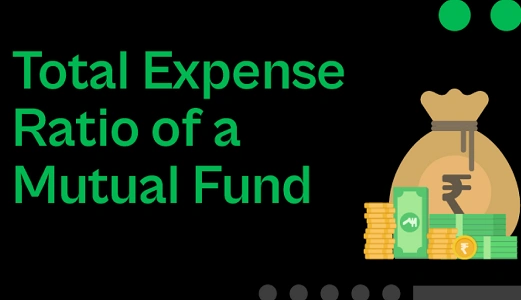
TER stands for Total Expense Ratio. It represents the annual cost charged by a mutual fund to manage and operate the investment portfolio. This fee covers various operational expenses required to run the fund.
In simple terms, TER is the cost investors pay to the fund house for managing their money. Even though it may appear small, it can influence long-term returns, especially when investments grow over many years.
Understanding TER helps investors compare different mutual funds and choose options that offer better cost efficiency.
Understanding TER in Simple Terms
The Total Expense Ratio is expressed as a percentage of the fund’s total assets.
It includes the costs associated with running and managing the mutual fund, such as:
- Fund management fees
- Administrative expenses
- Marketing and distribution costs
- Registrar and transfer agent charges
- Other operational costs
These expenses are not charged separately from investors. Instead, they are deducted from the fund’s assets, which slightly reduces the fund’s Net Asset Value (NAV).
Because of this deduction, the returns investors see are already after accounting for the expense ratio.
How TER Works
To understand TER clearly, consider a simple example.
Suppose an investor puts ₹1,00,000 into a mutual fund.
The fund has a TER of 1.5% per year.
This means the mutual fund charges 1.5% of the investment value annually to manage the fund.
So the yearly cost would be:
₹1,00,000 × 1.5% = ₹1,500
This amount is not directly deducted from the investor’s bank account. Instead, it is adjusted within the fund’s NAV.
For example, if the fund generates a return of 12% in a year, the investor may effectively receive around 10.5% after expenses.
Over long investment periods, this difference can affect the final wealth created.
Components Included in TER
The Total Expense Ratio covers multiple costs associated with running a mutual fund.
1. Fund Management Fees
This is the fee paid to the fund manager and investment team for managing the portfolio and making investment decisions.
2. Administrative Expenses
These include costs related to maintaining records, customer service, and day-to-day operations of the fund.
3. Marketing and Distribution Costs
Some funds include expenses related to promoting the scheme and compensating distributors.
4. Registrar and Custodian Fees
These charges are paid to organizations that handle investor records, transactions, and asset custody.
All these costs together form the total expense ratio of the mutual fund.
Difference Between TER in Direct and Regular Plans
One of the major differences between direct plans and regular plans of mutual funds lies in their expense ratio.
Direct Plans
- No distributor commission
- Lower expense ratio
- Higher potential returns
Regular Plans
- Include distributor or broker commissions
- Slightly higher expense ratio
Because of this difference, the direct version of the same mutual fund usually shows a higher NAV compared to the regular plan over time.
Why TER Is Important for Investors
Although TER may appear like a small percentage, it plays an important role in investment performance.
1. Affects Long-Term Returns
Even a difference of 0.5% to 1% in expense ratio can significantly impact returns over many years due to compounding.
For long-term investors, choosing funds with reasonable expense ratios can improve overall wealth creation.
2. Helps Compare Mutual Funds
When evaluating similar mutual funds in the same category, TER can help investors identify more cost-efficient options.
3. Indicates Cost Efficiency
A lower TER generally means the fund is managing assets more efficiently.
However, investors should not select funds based only on TER. Performance, risk, and consistency are equally important.
SEBI Regulations on TER
In India, mutual fund expense ratios are regulated by the Securities and Exchange Board of India (SEBI).
SEBI sets maximum limits on TER depending on the size of the fund’s assets under management (AUM).
For example:
- Equity mutual funds usually have a higher allowed TER compared to debt funds.
- As the AUM of a fund increases, the allowed TER gradually decreases.
These rules are designed to ensure that investors are not charged excessively high fees.
How TER Affects Long-Term Investments
To understand the impact of TER, consider two funds that both generate 12% annual returns before expenses.
Fund A TER: 1%
Fund B TER: 2%
If an investor puts ₹5,00,000 for 20 years, the difference in expense ratio could lead to a noticeable gap in the final investment value.
Even though the difference is just 1%, the compounding effect over two decades can result in a significantly higher corpus in the lower-cost fund.
This example shows why expense ratios matter for long-term investors.
Things Investors Should Keep in Mind
While TER is important, it should not be the only factor when choosing a mutual fund.
A fund with slightly higher expenses may still perform better if it has strong management and consistent returns.
Investors should consider several factors together, including:
- Long-term performance
- Risk level
- Fund manager track record
- Investment strategy
- Expense ratio
Evaluating all these aspects helps investors make more balanced decisions.
Final Thoughts
Total Expense Ratio (TER) represents the annual cost charged by a mutual fund to manage and operate its investment portfolio. It includes management fees, administrative expenses, and other operational costs.
Although TER may seem small, it directly affects the returns investors receive over time. Lower expense ratios can improve long-term results, especially when investments benefit from compounding.
By understanding TER and comparing costs across different funds, investors can choose mutual fund options that align with their financial goals while maintaining cost efficiency.