Vintage sewing machines have experienced a significant resurgence in popularity among home sewists, hobbyists, and collectors alike. Models produced by manufacturers like Singer in the mid-twentieth century were built with a durability that many modern machines simply do not match. With proper care and the right replacement parts, many of these older machines can be returned to full working condition and used reliably for decades more.
For beginners, however, the prospect of working on an older machine can feel daunting. Sourcing parts, understanding what needs replacing, and knowing how to clean and adjust the mechanism all require some initial learning. The good news is that the information and supplies needed are far more accessible than they used to be.
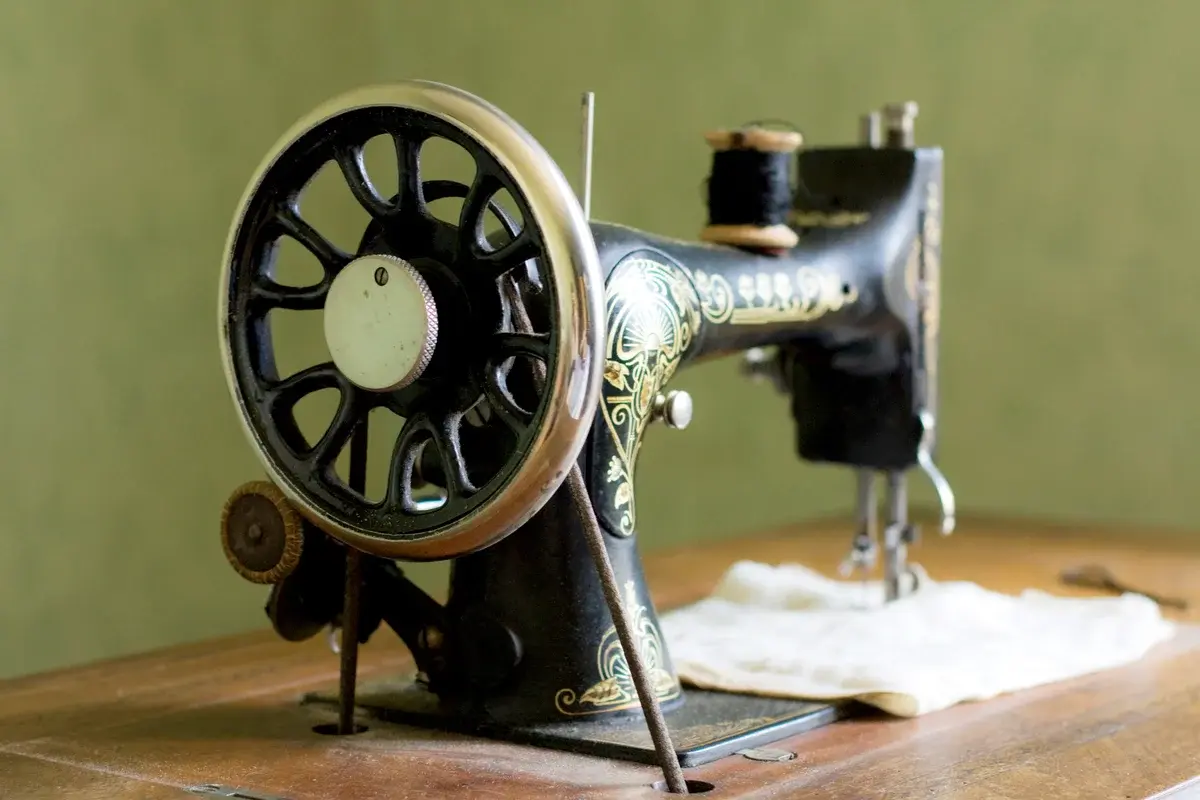
Why Vintage Machines Are Worth Restoring
The case for maintaining a vintage sewing machine starts with build quality. Older Singer models in particular, such as the Singer 201, 66, 15, or 99, were designed for longevity. Their cast iron bodies, all-metal internal components, and simple mechanical designs make them repairable in ways that many plastic-bodied modern machines are not.
There is also a practical consideration. A well-maintained vintage machine from a trusted era often handles heavy fabrics like denim and canvas more reliably than entry-level modern machines at similar price points. Many quilters, tailors, and leatherworkers specifically seek out older machines because of their stitch quality and feed consistency.
Collectors and hobbyists also find intrinsic value in preserving functional antiques, both as useful tools and as connections to the history of domestic manufacturing.
Where to Start with Basic Maintenance
A vintage sewing machine that has been sitting unused will typically need a few basic steps before it runs smoothly. The most common maintenance tasks include:
Cleaning away old oil, dust, and debris from internal mechanisms. Old oil can become thick and gummy over time, restricting movement and causing uneven stitching.
Applying fresh sewing machine oil to all moving parts, including the hook assembly, needle bar, and bobbin mechanism. Using the right weight of oil matters; standard sewing machine oil is appropriate for most vintage models.
Inspecting the motor belt for cracking or stretching if the machine is electric, and replacing it if worn.
Checking the needle, bobbin case, and presser foot for signs of damage or wear.
For most of these tasks, the specific replacement components needed depend on the machine model. Finding accurate model-specific parts from a specialist supplier for vintage sewing machine components ensures compatibility and avoids the frustration of ordering generic parts that do not fit correctly.
Identifying Your Machine
Before sourcing parts, it helps to identify the exact model. Singer machines from the twentieth century have a serial number stamped on the front of the machine, usually near the base. Online serial number databases can help identify the production year and model designation from this number alone.
Once the model is confirmed, replacement belts, bobbins, presser feet, needles, and other components can be selected with confidence.
Frequently Asked Questions
Are vintage sewing machine parts still available?
Yes. Specialist suppliers carry extensive inventories of both original and compatible replacement parts for many vintage Singer, Kenmore, and other makes. Parts for popular models are generally easier to find than those for rarer machines.
Can I use a vintage machine for modern sewing projects?
Absolutely. Many vintage machines perform exceptionally well on everyday fabrics including cotton, linen, and moderate-weight synthetics. With the right needle and foot attachments, they can also handle heavier materials effectively.
How do I know which needle type my vintage machine uses?
The machine model determines needle compatibility. Most mid-century Singer machines use a 15×1 needle system, which is still widely available. Checking the model documentation or contacting a specialist supplier will confirm the correct needle type.
Is it difficult to service a vintage machine at home?
Basic cleaning and oiling can be done by most beginners with some patience and guidance. More complex mechanical adjustments, such as timing corrections, may require more experience or a professional service.
How much does it cost to restore a vintage sewing machine?
Basic restoration including cleaning, oiling, and common part replacements can often be completed for a relatively modest sum, depending on the machine’s condition and which components need replacing.