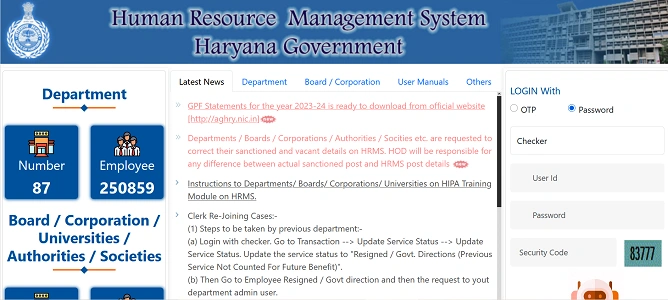
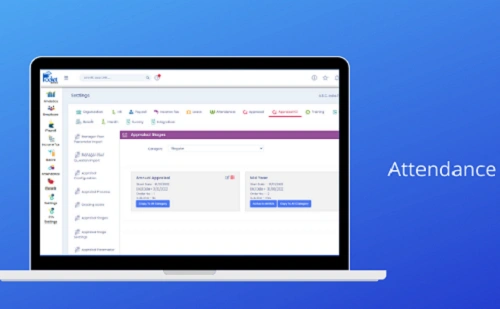
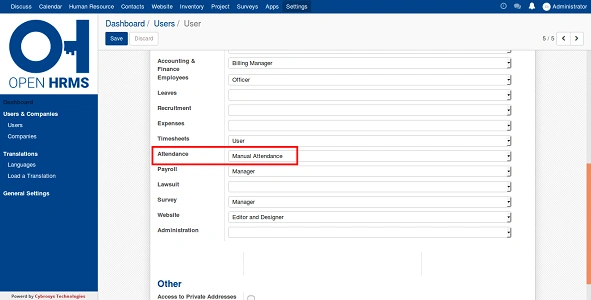
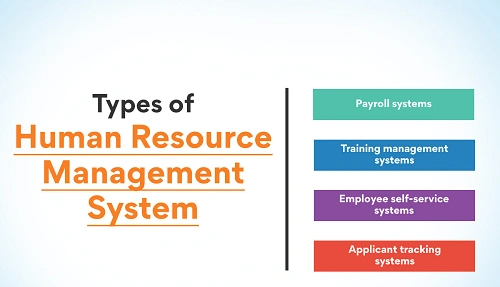
HRMS is no longer a single kind of software. Over time, different types of HRMS have evolved to suit different business needs, budgets, and levels of control. A startup with 20 employees doesn’t need the same system as a multinational company with 20,000 people. That’s why understanding the types of HRMS is important before choosing one.
In this article, we’ll look at the major types of HRMS, how they work, what they offer, and where they fall short.
1. On-Premise HRMS
On-premise HRMS is installed and hosted on the company’s own servers. The organization owns the software license and is responsible for infrastructure, maintenance, updates, and security.
This was the dominant HRMS model before cloud computing became common.
Key Features
- Full control over employee data
- Deep customization options
- Integration with internal systems
- In-house security and access management
Benefits
- High control: Companies decide how data is stored, accessed, and protected.
- Customization: Ideal for organizations with complex HR rules or unique workflows.
- Offline access: Core functions may work even without internet connectivity.
Limitations
- High upfront cost: Servers, licenses, and IT staff make it expensive.
- Long implementation time: Deployment can take months.
- Maintenance burden: Updates, patches, and backups are your responsibility.
Best For: Large enterprises with strong IT teams and strict data control requirements.
2. Cloud-Based HRMS
Cloud-based HRMS is hosted on the vendor’s servers and accessed through the internet. It follows a subscription-based model and is also known as SaaS HRMS.
Well-known examples include Workday, SAP SuccessFactors, and Zoho People.
Key Features
- Employee self-service portals
- Payroll, attendance, and leave automation
- Performance and recruitment modules
- Mobile and remote access
- ● Automatic updates
Benefits
- Low initial cost: No need for servers or heavy infrastructure.
- Quick deployment: Can go live in weeks.
- Scalability: Easy to add users or features as the company grows.
- Remote-friendly: Accessible from anywhere.
Limitations
- Internet dependency: No access without connectivity.
- Limited customization: Compared to on-premise systems.
- Data privacy concerns: Data is stored on third-party servers.
Best For: Startups, SMEs, and fast-growing companies with remote or hybrid teams.
3. Open-Source HRMS
Open-source HRMS provides access to the source code, allowing organizations to modify the software as needed. The software itself is usually free, but customization and maintenance require technical expertise.
Examples include tools like OrangeHRM (community edition).
Key Features
- Core HR and employee records
- Basic attendance and leave management
- Customizable workflows
- Community-driven updates
Benefits
- No license fees: Cost-effective for small budgets.
- High flexibility: Code can be modified as required.
- Vendor independence: No forced subscription model.
Limitations
- Technical dependency: Requires skilled developers.
- Limited support: Community support may be slow or inconsistent.
- Security risks: Improper configuration can expose data.
Best For: Organizations with strong in-house technical teams and limited budgets.
4. Integrated HRMS (All-in-One HR Suite)
Integrated HRMS combines all HR functions—core HR, payroll, recruitment, performance, learning, and analytics—into a single platform.
These systems are designed to manage the entire employee lifecycle.
Key Features
- Centralized employee database
- End-to-end HR automation
- Built-in compliance tools
- Advanced analytics and reporting
Benefits
- Unified system: No need for multiple tools.
- Consistent data: Reduces duplication and errors.
- Better insights: Holistic view of workforce metrics.
Limitations
- Higher cost: More expensive than standalone tools.
- Complex setup: Requires careful implementation.
- Feature overload: Smaller teams may not use everything.
Best For: Mid-sized to large organizations with structured HR processes.
5. Best-of-Breed HRMS
Instead of one large system, best-of-breed HRMS focuses on specialized tools for specific HR functions—one for payroll, another for recruitment, another for performance.
Key Features
- Highly specialized functionality
- Deep focus on one HR area
- API-based integrations
Benefits
- Best functionality: Strong features in each domain.
- Flexibility: Choose tools that fit exact needs.
- Faster innovation: Vendors focus on one problem area.
Limitations
- Integration challenges: Tools must sync properly.
- Multiple vendors: More contracts and support points.
- Data fragmentation: Risk of inconsistent records.
Best For: Organizations with advanced HR needs and strong integration capabilities.
6. Industry-Specific HRMS
These HRMS solutions are built for specific industries like healthcare, manufacturing, education, or retail.
Key Features
- Industry-compliant workflows
- Shift scheduling and labor tracking
- Regulatory compliance tools
- Role-specific reporting
Benefits
- Better compliance: Designed around industry laws.
- Relevant features: No unnecessary modules.
- Faster adoption: Matches real-world workflows.
Limitations
- Limited flexibility: Hard to adapt outside the industry.
- Smaller vendor ecosystem: Fewer upgrade options.
Best For: Organizations operating in highly regulated or specialized industries.
Choosing the Right Type of HRMS
There is no universal “best” HRMS type. The right choice depends on:
- Company size and growth plans
- Budget and IT capabilities
- Data security and compliance needs
- Level of customization required
- Remote or on-site workforce structure
Many companies even use a hybrid approach—combining cloud HRMS with specialized tools.
Final Thoughts
HRMS is not just software anymore. It’s the backbone of how organizations manage people, performance, and productivity. Each type of HRMS comes with its own strengths and trade-offs. Understanding these differences helps you avoid costly mistakes and choose a system that actually supports your HR goals.
The smartest HRMS choice isn’t the most popular one. It’s the one that fits your organization today and can still support you tomorrow.