India has made remarkable strides in education over the past few decades, with overall literacy rising to around 80.9% as per the Periodic Labour Force Survey (PLFS) 2023-24. By 2026, continued government initiatives like the National Education Policy (NEP) 2020, Sarva Shiksha Abhiyan, Samagra Shiksha, and adult literacy programs such as ULLAS (Understanding Lifelong Learning for All in Society) have pushed literacy rates higher across the country. While challenges like regional disparities, gender gaps in some areas, and quality of education persist, several states and union territories have achieved near-universal or full literacy.
“Most educated” here primarily refers to literacy rates (for population aged 7 and above), but also considers factors such as mean years of schooling, higher education enrolment, female literacy, and overall educational infrastructure. Northeastern states have shown impressive gains through community participation, while southern and western states leverage strong public systems and economic development.
Smaller states and union territories often top the charts due to focused administration and lower population density, while larger states like Kerala demonstrate scalable models of equitable education.
Here are the Top 5 Most Educated States in India in 2026 (based on latest PLFS data trends and projections for 2025-26, focusing on major states where possible):
| Rank | State | Literacy Rate (approx. 2025-26) | Key Strengths | Female Literacy | Notable Features |
| 1 | Mizoram | 98.2%+ | Community-driven education, high school enrolment | Very high | First fully literate state |
| 2 | Kerala | 95.3–96.2% | Robust public education system, high higher education | Highest in India | Model for social development |
| 3 | Tripura | 93.7–95.6% | Adult literacy campaigns, rural focus | Strong gains | Rapid progress in Northeast |
| 4 | Goa | 93.6%+ | Quality schooling, vocational training | High | Tourism economy supports education |
| 5 | Himachal Pradesh | ~88–92% (with full literacy claims in some reports) | Education despite difficult terrain | Good | High enrolment in remote areas |
1. Mizoram – The Most Literate State in India
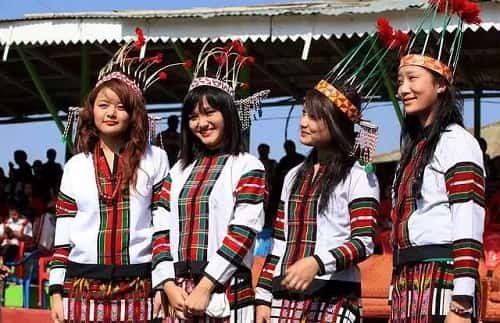
Mizoram has emerged as the clear leader in literacy, achieving over 98.2% as per PLFS 2023-24 data, and has been declared India’s first fully literate state. Located in the Northeast, this hilly state has leveraged strong community involvement, church missions, and government programs to ensure nearly every village has access to schooling.
High literacy stems from near-universal enrolment in primary and secondary education, with special emphasis on girls’ education. The state boasts excellent gender parity in literacy. Factors contributing to success include dedicated local governance, focus on mother-tongue (Mizo) education alongside English and Hindi, and innovative adult literacy drives. In 2026, Mizoram continues to invest in digital education and higher learning institutions, reducing out-migration for studies.
Despite geographical challenges, Mizoram’s model shows how collective social responsibility can overcome barriers. Its high literacy translates into better health outcomes, lower poverty, and active civic participation. The state sets a benchmark for other Northeastern regions.
2. Kerala – The Enduring Model of Equitable Education
Kerala has long been synonymous with high literacy and human development. With rates consistently above 95% (around 95.3–96.2% in recent data), the state maintains its position among the top through a century-old emphasis on public education, land reforms, and social welfare.
Kerala’s success is rooted in free and compulsory education, widespread government and aided schools, high teacher quality, and strong local self-government (panchayats) involvement in school management. Female literacy is among the highest in the country, contributing to low fertility rates, better maternal health, and empowered women.
The state excels not just in basic literacy but also in higher education, with numerous universities, medical and engineering colleges, and high Gross Enrolment Ratio (GER). In 2026, Kerala leads in digital literacy, vocational training aligned with NEP 2020, and inclusive education for marginalized groups. Its model proves that quality public investment yields long-term socio-economic benefits, even in a state with limited natural resources.
3. Tripura – Rapid Progress in the Northeast
Tripura has shown one of the most impressive improvements in literacy over the past decade, reaching 93.7–95.6% through sustained adult education campaigns and focus on rural and tribal areas. The state has been recognized for achieving near-full literacy in several reports.
Key drivers include massive literacy drives under central schemes, teacher training programs, and integration of education with local languages (Bengali and Kokborok). The government has prioritized girls’ education and infrastructure in remote hilly regions. Community participation and NGOs have played a supportive role.
In 2026, Tripura continues to strengthen secondary and higher education while maintaining high primary enrolment. Its success highlights how targeted interventions can transform education outcomes in smaller states with diverse populations. Improved literacy has boosted employment opportunities and reduced social inequalities in the state.
4. Goa – Quality Education with a Modern Edge
Goa boasts a literacy rate of around 93.6%, supported by a well-developed school network, high enrolment, and integration of vocational and environmental education. The state’s smaller size allows for better resource allocation and monitoring of educational institutions.
Goa emphasizes English-medium education alongside regional languages, preparing students for global opportunities. Tourism and service sectors drive demand for skilled workers, leading to strong focus on vocational training and higher education. The state has good infrastructure, including libraries, labs, and digital classrooms.
Female literacy and gender parity are strong. In 2026, Goa benefits from NEP reforms, promoting multidisciplinary learning and skill development. Its educated workforce contributes to economic growth, making education a key pillar of the state’s development model.
5. Himachal Pradesh – Education in Challenging Terrain
Himachal Pradesh has achieved high literacy (around 88–92%, with some reports claiming near-full literacy status) despite its mountainous geography and scattered population. The state has invested heavily in school infrastructure, even in remote villages, ensuring access through hostels, transport, and mid-day meals.
Strong public education system, high teacher presence, and community awareness have driven progress. Female literacy has seen significant gains, narrowing gender gaps. Himachal also performs well in higher education enrolment relative to its population.
In 2026, the state focuses on quality improvements, digital connectivity in schools, and skill-based education to reduce youth unemployment. Its success demonstrates that political will and consistent policy implementation can overcome geographical disadvantages.
Why These States Lead in Education
These top states share common success factors: strong political commitment to education, community and local body involvement, focus on girls’ and adult literacy, and effective implementation of central schemes. Northeastern states like Mizoram and Tripura benefit from social cohesion and targeted programs, while Kerala and Goa leverage historical investments and economic stability. Himachal shows resilience in difficult terrain.
Broader indicators of being “educated” — such as mean years of schooling, higher education GER, research output, and low dropout rates — also favor these states. National programs like NEP 2020, with emphasis on foundational literacy, multilingualism, and vocational education, are accelerating progress nationwide. However, quality remains a concern; high literacy does not always translate to strong learning outcomes, prompting reforms in assessment and teacher training.
Challenges for other states include improving access in rural and tribal areas, reducing gender and social gaps, and enhancing learning quality. Inter-state migration and urbanization are also influencing educational dynamics.
Final Thoughts
In 2026, Mizoram, Kerala, Tripura, Goa, and Himachal Pradesh stand out as the top 5 most educated states in India, demonstrating that a combination of policy focus, community participation, and sustained investment can achieve impressive educational outcomes. These states not only boast high literacy but also better human development indicators, setting examples for the rest of the country.
India’s journey towards universal literacy and quality education continues, with the goal of becoming a knowledge economy. While these leaders shine, states with lower rates are catching up through innovative programs. Equitable, inclusive, and quality education remains key to India’s demographic dividend.
If you belong to any of these states or are planning to move for education, these rankings can guide your understanding of local opportunities.
Which of these states do you think has the best education model, or which state’s progress surprised you the most? Share your views and experiences in the comments.
Frequently Asked Questions (FAQs)
Q1. Which is the most educated state in India in 2026?
A: Mizoram tops with over 98.2% literacy and is recognized as the first fully literate state.
Q2. Why does Kerala continue to rank high despite not being at the very top?
A: Kerala excels in overall education quality, higher education access, female literacy, and long-term social outcomes beyond basic literacy.
Q3. Do small states have an advantage in achieving high literacy?
A: Yes, smaller population and focused administration often make it easier to achieve near-universal coverage, though larger states like Kerala show scalable success.
Q4. How is “most educated” measured beyond literacy?
A: Factors include mean years of schooling, Gross Enrolment Ratio in higher education, learning outcomes, skill development, and gender parity.