Assam, nestled in Northeast India, is renowned for its lush green landscapes, mighty Brahmaputra River, and vibrant cultural heritage. The traditional foods of Assam reflect the region’s natural bounty — fresh river fish, seasonal vegetables, local herbs, and rice.
Assamese cuisine is known for its mild yet distinctive flavors, often featuring alkaline “Khar” dishes, tangy “Tenga” curries, and simple mashed preparations called “Pitika.” Mustard oil, fresh green chillies, and minimal spices are commonly used, keeping the focus on the natural taste of ingredients. Meals are typically served with steamed rice in traditional bell metal plates, highlighting the simplicity and warmth of Assamese hospitality.
Whether enjoyed during everyday meals or festive occasions like Bihu, these dishes showcase the resourceful and healthy cooking style of the state. Here are the Top 5 Famous Traditional Foods of Assam that every food lover must try.
| Rank | Dish Name | Main Ingredients | Taste Profile | Best Time to Eat | Preferred With | Dietary Type |
| 1 | Khar (Papaya Khar / Amitar Khar) | Raw papaya / vegetables, khar (banana peel ash), mustard oil | Alkaline, Mild & Earthy | Lunch/Dinner | Steamed Rice | Vegetarian |
| 2 | Masor Tenga | River fish, tomatoes / elephant apple, lemon, mustard oil | Tangy & Light | Lunch/Dinner | Steamed Rice | Non-Vegetarian |
| 3 | Aloo Pitika / Pitika | Potato / vegetables / fish, onion, green chilli, mustard oil | Mild, Smoky & Savory | Lunch/Dinner | Rice & Dal | Vegetarian / Non-Veg |
| 4 | Duck Meat Curry (Hanhor Mangkho) | Duck meat, potatoes / ash gourd, spices, mustard oil | Rich, Aromatic & Spicy | Festivals & Special Occasions | Rice or Roti | Non-Vegetarian |
| 5 | Doi Chira (Curd with Flattened Rice) | Flattened rice (chira), yogurt (doi), jaggery / banana | Creamy, Sweet & Refreshing | Breakfast / Snack | Alone or with fruits | Vegetarian |
1. Khar – The Signature Alkaline Starter of Assam
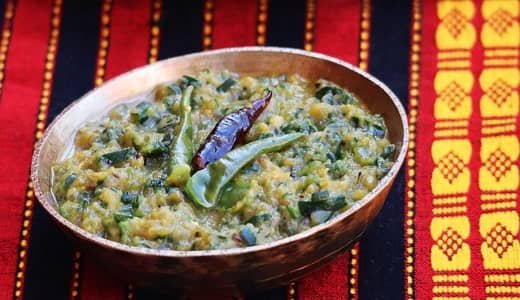
Khar holds a special place in traditional Assamese cuisine and is often the first dish served in a meal. It is prepared using “khar,” an alkaline liquid made from the ashes of sun-dried banana peels or stems. This gives the dish a unique mild, slightly bitter, and earthy flavor that is believed to aid digestion.
The most popular version is Papaya Khar, where raw papaya or other vegetables like bottle gourd and beans are cooked with khar water and tempered with mustard oil, green chillies, and fenugreek seeds. Simple yet deeply flavorful, Khar represents the resourceful nature of Assamese cooking and is a must-try for anyone exploring the traditional foods of Assam.
2. Masor Tenga – The Tangy River Fish Curry
Masor Tenga is one of the most beloved traditional foods of Assam. “Tenga” means sour, and this light fish curry perfectly balances tanginess with subtle spices.
Fresh river fish such as rohu or catla is cooked with tomatoes, elephant apple (ou tenga), lemon, or thekera for a refreshing sour taste. A dash of mustard oil and mild spices like turmeric and panch phoron enhance the flavor without overpowering the delicate fish.
Served hot with steamed rice, Masor Tenga is a daily favorite in Assamese homes, especially during summers when its light and appetizing nature feels most comforting.
3. Aloo Pitika / Pitika – The Comforting Mashed Accompaniment
Pitika, meaning mashed, is a simple yet essential part of traditional Assamese meals. While Aloo Pitika (mashed potato) is the most common, it can also be made with roasted eggplant, fish, or other vegetables.
The mashed ingredients are mixed with finely chopped onions, green chillies, ginger, fresh coriander, and a generous drizzle of raw mustard oil. This creates a smoky, pungent, and refreshing side dish that pairs beautifully with rice and dal.
Pitika highlights how Assamese cuisine transforms basic ingredients into flavorful accompaniments using minimal spices and fresh mustard oil.
4. Duck Meat Curry (Hanhor Mangkho) – The Festive Rich Curry
Duck Meat Curry, locally called Hanhor Mangkho, is a rich and aromatic non-vegetarian dish prepared during festivals and special occasions in Assam.
Tender duck pieces are slow-cooked with potatoes or ash gourd in a gravy flavored with mustard oil, garlic, ginger, black pepper, and local spices. The result is a hearty, slightly spicy curry with deep flavors that fill the kitchen with a wonderful aroma.
Traditionally served with steamed rice, this dish is especially popular during Bihu celebrations and reflects Assam’s love for poultry and local ingredients.
5. Doi Chira – The Simple and Refreshing Breakfast
Doi Chira is a light and popular traditional food of Assam, often enjoyed as breakfast or an afternoon snack. It consists of flattened rice (chira) mixed with fresh yogurt (doi), a touch of jaggery or sugar, and sometimes ripe banana.
This no-cook preparation is creamy, mildly sweet, and cooling — perfect for Assam’s hot and humid climate. It is nutritious, easy to digest, and provides quick energy, making it a staple in many households and during Jolpan (snack platter) sessions.
Why These Traditional Foods of Assam Are So Special
The traditional foods of Assam are special because of their freshness, balanced flavors, and minimal use of heavy spices. The cuisine focuses on seasonal produce, river fish, and unique techniques like using banana ash for khar and raw mustard oil for tempering. Most dishes are light on the stomach yet packed with nutrition and natural taste.
These foods reflect the Assamese lifestyle — simple, sustainable, and closely connected to nature. Whether it’s the alkaline khar or the comforting pitika, every dish carries the warmth of local homes and the bounty of Assam’s fertile lands and rivers.
Final Thoughts
From the unique alkaline Khar to the tangy Masor Tenga, comforting Pitika, rich Duck Meat Curry, and refreshing Doi Chira — these Top 5 Famous Traditional Foods of Assam beautifully represent the essence of Assamese culture and cuisine.
Each dish brings the warmth of Assamese hospitality and the flavors of the region’s rivers and fields. If you ever visit Assam or want to recreate these at home, these traditional classics are a wonderful place to start. They promise to comfort your soul and delight your taste buds with every bite.
Which of these five traditional foods of Assam would you like to try first?
Frequently Asked Questions (FAQs)
Q1. What is the most famous traditional food of Assam?
A: Khar is widely regarded as the most iconic and unique traditional food of Assam. It is usually the starting dish in a meal and represents the distinctive alkaline flavor of Assamese cuisine.
Q2. Is Assamese food mostly non-vegetarian?
A: Assamese cuisine includes plenty of vegetarian options like Khar, Pitika, and Doi Chira. However, fish curries like Masor Tenga and occasional meat dishes such as Duck Meat Curry are also very popular, especially during festivals.
Q3. What makes Masor Tenga special compared to other fish curries?
A: Masor Tenga is lighter and tangier than many other Indian fish curries. It uses fresh river fish and souring agents like tomatoes, lemon, or elephant apple, making it refreshing and easy to digest, especially in summer.
Q4. Can beginners easily cook traditional Assamese foods at home?
A: Yes, most traditional foods of Assam are simple to prepare with basic ingredients. Dishes like Aloo Pitika and Doi Chira require minimal cooking, while Khar and Masor Tenga can be made with readily available spices and fresh produce.