Human Resource Management Systems have changed a lot in the last decade. What used to be bulky software installed on office computers has now moved to the cloud. Today, companies of all sizes are using cloud-based HRMS platforms to manage people, payroll, attendance, performance, and more—from anywhere.
But what exactly is a cloud-based HRMS? How is it different from traditional HR software? And is it always the right choice? Let’s break it down clearly.
What Is a Cloud-Based HRMS?
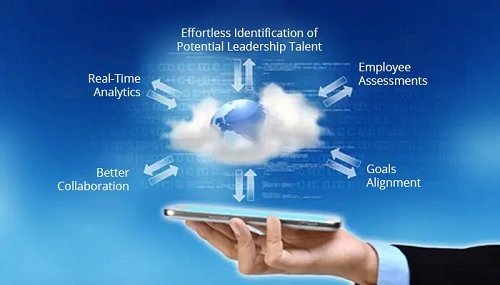
A cloud-based HRMS (Human Resource Management System) is HR software hosted on remote servers and accessed through the internet. Instead of installing the system on your own office servers, you subscribe to the software as a service (SaaS).
Employees, HR teams, and managers log in through a browser or mobile app. Updates, security, backups, and maintenance are handled by the vendor, not your IT team.
Popular examples include platforms like Workday, SAP SuccessFactors, and Zoho People.
Core Features of Cloud-Based HRMS
Most cloud HRMS platforms offer a modular structure. Companies can choose what they need and scale later. Here are the key features you’ll usually find.
1. Employee Information Management
This is the foundation. All employee data—personal details, job history, documents, compensation, and role changes—lives in one centralized database. No more scattered spreadsheets or paper files.
2. Payroll & Compliance
Cloud HRMS systems automate salary calculations, tax deductions, payslips, and statutory compliance. Many platforms are updated automatically when labor laws or tax rules change, which reduces risk.
3. Attendance & Leave Management
Employees can mark attendance, apply for leave, and view balances online. HR teams get real-time visibility, and managers can approve requests with a click.
4. Recruitment & Onboarding
From posting job openings to tracking applicants and issuing offer letters, cloud HRMS simplifies hiring. Once a candidate joins, onboarding workflows handle documentation, policies, and task assignments.
5. Performance Management
Goal setting, appraisals, feedback cycles, and performance reviews are managed digitally. Some systems even support continuous feedback instead of annual reviews.
6. Employee Self-Service (ESS)
Employees can update profiles, download payslips, submit requests, and check policies without contacting HR. This saves time for everyone.
7. Analytics & Reporting
Dashboards and reports provide insights into headcount, attrition, attendance trends, payroll costs, and performance metrics. Decisions become data-driven instead of guesswork.
8. Mobile Access
Most modern HRMS tools come with mobile apps, making HR processes accessible anytime, anywhere.
Benefits of Cloud-Based HRMS
Cloud HRMS adoption is growing fast, and there are good reasons for it.
1. Lower Upfront Costs
There’s no need to invest in servers or complex infrastructure. You pay a subscription fee, usually per employee per month. This makes it affordable for startups and mid-sized businesses.
2. Easy Scalability
As your workforce grows, the system grows with you. Adding users or modules is simple and doesn’t require reinstalling software.
3. Faster Implementation
Cloud HRMS can often be deployed in weeks, not months. This is a huge advantage compared to traditional on-premise systems.
4. Automatic Updates
Vendors regularly push updates, new features, and security patches. You always run the latest version without downtime or manual upgrades.
5. Remote-Friendly
With remote and hybrid work becoming normal, cloud HRMS allows employees and managers to access HR tools from any location.
6. Reduced HR Workload
Automation cuts down repetitive tasks like attendance tracking, payroll processing, and document management. HR teams can focus on strategy and people development.
7. Better Data Security (Usually)
Reputed cloud vendors invest heavily in encryption, access control, audits, and disaster recovery—often more than a single company could afford on its own.
Limitations of Cloud-Based HRMS
Despite its advantages, cloud HRMS is not perfect. It’s important to understand the downsides before deciding.
1. Dependence on Internet Connectivity
No internet, no access. In areas with unstable connectivity, this can disrupt HR operations.
2. Limited Customization
Cloud platforms are designed for standardization. Deep customization—especially for unique HR policies—may be limited or expensive.
3. Data Privacy Concerns
Employee data is stored on third-party servers. This raises concerns around data ownership, jurisdiction, and compliance, especially for highly regulated industries.
4. Ongoing Subscription Costs
While upfront costs are low, subscription fees add up over time. For very large organizations, long-term costs may exceed on-premise solutions.
5. Vendor Lock-In
Switching HRMS vendors can be difficult due to data migration challenges and process dependencies.
6. Integration Challenges
Not all cloud HRMS platforms integrate smoothly with existing accounting, ERP, or legacy systems.
Who Should Use Cloud-Based HRMS?
Cloud HRMS works best for:
- Startups and SMEs with limited IT resources
- Growing companies that need scalability
- Remote or hybrid workforces
- Organizations that want quick deployment and lower maintenance
Large enterprises can also benefit, but they usually need careful evaluation around customization, compliance, and integration.
Cloud-Based vs On-Premise HRMS (Quick View)
- Deployment: Cloud is faster; on-premise takes longer
- Cost: Cloud has lower upfront cost; on-premise needs capital investment
- Maintenance: Vendor-managed vs IT-managed
- Flexibility: On-premise offers more control; cloud offers more convenience
There’s no universal winner. The right choice depends on business size, budget, and HR complexity.
Final Thoughts
Cloud-based HRMS has reshaped how organizations manage their people. It brings speed, accessibility, and automation into HR operations that were once manual and slow. For most modern businesses, especially in a remote-first world, the benefits clearly outweigh the limitations.
That said, cloud HRMS is not a magic solution. It needs proper planning, data security checks, and alignment with business goals. When chosen wisely and implemented well, it becomes more than software—it becomes the backbone of a smarter HR function.