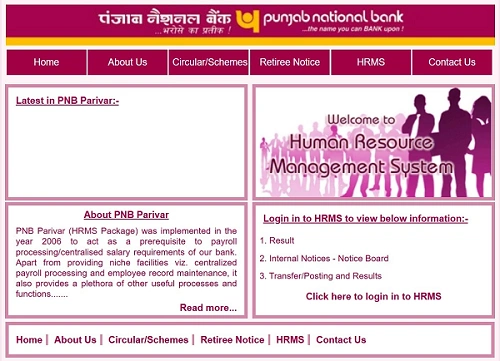
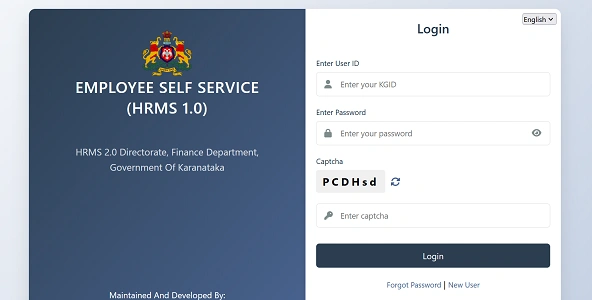
Human Resource Management Systems (HRMS) have moved from being a “nice-to-have” tool to a core business system for many organizations. As companies grow, managing people manually becomes inefficient, risky, and expensive. HRMS promises to solve this by automating HR processes, centralizing data, and improving decision-making.
However, an HRMS system is not a perfect solution. While it offers strong operational and strategic benefits, it also introduces costs, dependencies, and new challenges. Understanding both sides clearly is essential before making a long-term investment.
This article takes a detailed look at the advantages and disadvantages of a HRMS system.
What Is an HRMS System?
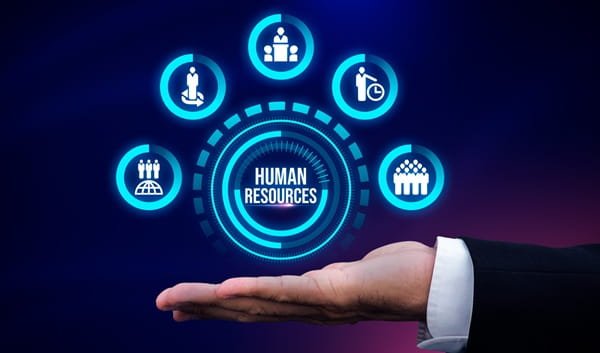
An HRMS system is software that helps organizations manage employee-related information and HR processes in a centralized and automated way. It typically covers core HR functions such as employee records, payroll, attendance, leave, recruitment, performance management, and reporting.
Modern HRMS platforms like Workday, SAP SuccessFactors, and Zoho People move beyond administration and support workforce planning, analytics, and employee experience.
Advantages of HRMS System
1. Centralized and Structured Employee Data
One of the strongest advantages of HRMS is centralized data management. All employee-related information—personal details, employment history, compensation, documents, performance records, and compliance data—is stored in a single system.
This reduces data duplication, prevents loss of information, and ensures consistency across departments. HR teams no longer need to rely on scattered spreadsheets, emails, or physical files.
2. Automation of Routine HR Tasks
HRMS significantly reduces manual work by automating repetitive tasks such as:
- Payroll processing
- Attendance and leave calculations
- Approval workflows
- Statutory deductions
- Report generation
Automation not only saves time but also reduces errors caused by manual data entry. HR professionals can redirect their energy toward employee engagement, talent development, and strategic planning.
3. Improved Payroll Accuracy and Legal Compliance
Payroll is one of the most sensitive HR functions. Errors can damage trust and create legal exposure. HRMS systems calculate salaries, taxes, deductions, and benefits automatically based on predefined rules.
Many systems are updated regularly to reflect changes in labor laws, tax regulations, and statutory requirements. This helps organizations remain compliant without constant manual monitoring.
4. Employee Self-Service and Transparency
Employee self-service (ESS) portals are a major benefit of HRMS. Employees can independently:
- View and download payslips
- Apply for leave and track balances
- Update personal and bank details
- Access HR policies and announcements
This improves transparency, reduces HR queries, and gives employees a sense of control over their information.
5. Data-Driven HR Decisions
HRMS provides access to real-time reports and dashboards related to:
- Attrition and retention trends
- Attendance and absenteeism
- Workforce costs
- Performance outcomes
These insights allow management to make informed decisions rather than relying on assumptions. Over time, HR shifts from a reactive function to a data-driven strategic partner.
6. Cost Efficiency in the Long Run
While HRMS requires upfront investment, it often reduces long-term costs by:
- Cutting down paperwork
- Lowering administrative workload
- Reducing payroll and compliance penalties
- Improving productivity
For growing organizations, HRMS helps control HR costs as headcount increases.
7. Scalability and Business Growth Support
As organizations expand, HR complexity increases. HRMS systems are designed to scale—new employees, departments, locations, and policies can be added without disrupting operations.
This scalability makes HRMS suitable for fast-growing startups, mid-sized companies, and enterprises alike.
8. Support for Remote and Hybrid Work Models
Cloud-based HRMS allows HR operations to continue seamlessly regardless of location. Employees can mark attendance, attend onboarding, submit documents, and participate in performance reviews remotely.
This flexibility has become essential in today’s hybrid and remote work environment.
Disadvantages of HRMS System
Despite its strengths, HRMS also comes with limitations that organizations must plan for carefully.
1. High Implementation and Maintenance Costs
HRMS adoption involves multiple costs:
- Software licensing or subscription fees
- Implementation and configuration
- Data migration
- Employee training
- Ongoing support and upgrades
For small organizations, these costs may outweigh short-term benefits.
2. Complex and Time-Consuming Implementation
Implementing HRMS is not just about installing software. It requires:
- Redesigning HR processes
- Cleaning and migrating data
- Aligning stakeholders
- Managing employee resistance
Poor planning can lead to delays, budget overruns, and system rejection by users.
3. Dependency on Technology and System Availability
Once HRMS is implemented, HR operations become heavily dependent on the system. System downtime, server issues, or internet failure can disrupt payroll, attendance, and employee access.
Organizations must rely on vendor reliability and internal contingency planning.
4. Data Security and Privacy Concerns
HRMS stores highly sensitive data, including salaries, identification details, and bank information. Any breach can result in legal consequences and loss of employee trust.
Although vendors invest in security measures, risks related to cyberattacks, misconfiguration, or unauthorized access cannot be completely eliminated.
5. Limited Customization in Standard Systems
Many HRMS platforms follow standardized workflows. Organizations with highly customized HR policies may find it difficult to align the system with their processes.
Customization is often possible but can be expensive, time-consuming, and difficult to maintain during upgrades.
6. Training Challenges and User Adoption Issues
HRMS success depends on how well employees and managers use it. Complex interfaces or poor training can lead to low adoption and frequent errors.
Resistance to change is common, especially in organizations transitioning from manual processes.
7. Risk of Over-Automation
HR is fundamentally about people. Over-reliance on automation can reduce flexibility, empathy, and human judgment in sensitive situations such as grievances, performance discussions, or employee wellbeing matters.
HRMS should support HR professionals, not replace human interaction.
8. Vendor Lock-In and Switching Difficulties
Once an HRMS is deeply integrated into daily operations, switching vendors becomes challenging. Data migration, system reconfiguration, and retraining require time and cost.
This can limit flexibility and bargaining power in the long run.
When HRMS Is the Right Choice?
HRMS delivers maximum value when:
- The organization is growing
- HR processes are becoming complex
- Compliance requirements are strict
- Management requires workforce insights
Very small teams may not need a full HRMS, but for mid-sized and large organizations, it often becomes essential.
Final Thoughts
An HRMS system is a powerful enabler, not a guaranteed solution. Its advantages include automation, accuracy, scalability, transparency, and data-driven decision-making. Its disadvantages revolve around cost, complexity, dependency, and risk.
Organizations that succeed with HRMS approach it as a long-term investment. They choose the right system, plan implementation carefully, train users thoroughly, and maintain a balance between technology and human judgment.
Used wisely, HRMS does more than manage HR tasks. It strengthens trust, improves efficiency, and helps organizations grow alongside their people.