In the modern business environment, companies are expected not only to make profits but also to operate responsibly and ethically. Business ethics refers to the moral principles and standards that guide behavior in the world of business. These principles influence how a company treats its employees, customers, investors, and society as a whole.
Business ethics includes practices such as honesty, transparency, fairness, accountability, and respect for laws and regulations. Organizations that follow strong ethical values aim to build trust with their stakeholders while maintaining responsible business conduct.
Today, ethical behavior has become an important factor in business success. Consumers are more aware of corporate practices than ever before, and companies that behave responsibly often gain long-term respect and loyalty. However, maintaining strict ethical standards can also create certain challenges for businesses.
Understanding the advantages and disadvantages of business ethics helps organizations balance profitability with responsibility.
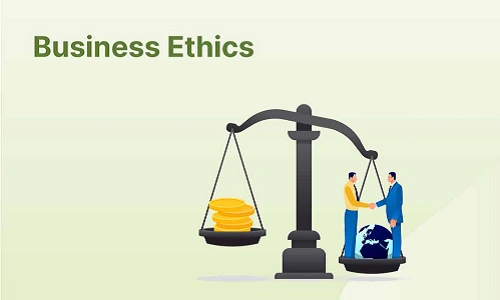
What Is Business Ethics?
Business ethics refers to the application of moral values and ethical principles in business activities. It guides how businesses make decisions, conduct operations, and interact with different stakeholders.
Business ethics may include practices such as:
- Fair treatment of employees
- Honest marketing and advertising
- Respect for environmental regulations
- Transparency in financial reporting
- Responsible use of resources
Ethical business practices help organizations maintain credibility and build sustainable relationships with customers and society.
Advantages of Business Ethics
Ethical behavior in business brings many benefits that contribute to long-term success and stability.
1. Builds Trust and Reputation
One of the biggest advantages of business ethics is the trust it creates. Companies that operate honestly and responsibly gain a strong reputation in the market.
Customers are more likely to support businesses they trust. A good reputation also attracts investors, partners, and talented employees.
Over time, ethical behavior helps build a respected and reliable brand image.
2. Improves Customer Loyalty
Consumers today prefer companies that follow ethical practices. Businesses that treat customers fairly and provide honest information about their products gain loyal customers.
Satisfied and loyal customers often recommend the company to others, which helps increase sales and long-term growth.
Ethical behavior strengthens relationships between businesses and their customers.
3. Creates a Positive Work Environment
Business ethics promotes fairness, respect, and equality within the workplace. When employees are treated ethically, they feel valued and motivated.
This leads to:
- Higher job satisfaction
- Increased productivity
- Lower employee turnover
A positive work culture helps organizations retain skilled employees and maintain a stable workforce.
4. Reduces Legal Problems
Companies that follow ethical standards are less likely to face legal issues. Ethical practices ensure compliance with laws and regulations related to labor, environment, and financial reporting.
Avoiding legal disputes and penalties helps businesses save money and protect their reputation.
Ethical companies often experience smoother relationships with regulators and government authorities.
5. Encourages Long-Term Success
Ethical business practices focus on sustainable growth rather than short-term profits. Companies that maintain strong ethical values are more likely to survive and succeed in the long run.
Investors and stakeholders often prefer businesses that demonstrate responsible and transparent behavior.
This long-term approach builds stability and resilience.
6. Strengthens Corporate Social Responsibility
Business ethics encourages companies to contribute positively to society. Many organizations engage in social initiatives such as environmental protection, community development, and charitable activities.
These actions improve the company’s public image and strengthen its relationship with society.
Responsible companies often gain greater public support and goodwill.
Disadvantages of Business Ethics
While business ethics offers many benefits, it can also present certain challenges for organizations.
1. Higher Operational Costs
Implementing ethical practices may increase business costs. For example, companies that follow strict environmental standards or fair labor practices may spend more on production and compliance.
These additional expenses can reduce short-term profits.
In highly competitive industries, companies with higher costs may struggle to compete with less ethical competitors.
2. Slower Decision-Making
Ethical decision-making often requires careful evaluation of the impact on employees, customers, society, and the environment.
This process can slow down business decisions compared to companies that focus only on profit.
While ethical analysis improves responsibility, it may delay certain business opportunities.
3. Competitive Disadvantage
Some companies may ignore ethical standards to gain competitive advantages, such as lowering costs through unfair labor practices or misleading advertising.
Businesses that strictly follow ethical principles may find it difficult to compete with such companies in the short term.
This creates a challenging environment for ethical organizations.
4. Difficulty in Defining Ethical Standards
Ethical values can vary across cultures, industries, and societies. What is considered ethical in one country or business sector may be viewed differently in another.
This makes it difficult for multinational companies to maintain consistent ethical standards across all regions.
Companies must carefully balance cultural differences with universal ethical principles.
5. Pressure on Management
Managers often face ethical dilemmas where business goals conflict with moral responsibilities.
For example, a company may face pressure to increase profits while also ensuring fair treatment of employees and environmental protection.
Handling such situations requires careful judgment and strong leadership.
6. Possibility of Internal Conflicts
Employees, managers, and shareholders may sometimes have different views about what constitutes ethical behavior.
These differences can create internal conflicts within the organization.
If not handled properly, disagreements about ethical policies may affect decision-making and workplace harmony.
Conclusion
Business ethics plays an essential role in building responsible and sustainable organizations. Ethical practices help businesses earn trust, improve their reputation, maintain legal compliance, and build strong relationships with customers and employees.
At the same time, implementing strict ethical standards can involve higher costs, slower decision-making, and challenges in maintaining competitiveness.
Despite these challenges, ethical behavior remains a key factor in long-term business success. Companies that prioritize integrity and responsibility often achieve stronger public trust and long-lasting growth.
In today’s increasingly transparent and socially aware world, business ethics is no longer optional—it has become a fundamental requirement for organizations that aim to succeed while contributing positively to society.