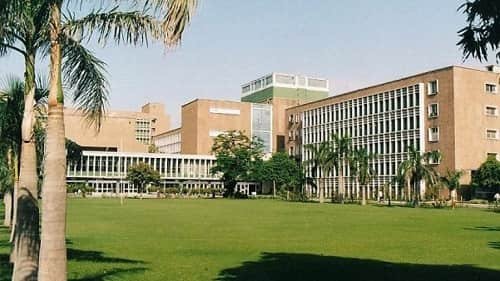
Bhopal, the capital of Madhya Pradesh and known as the “City of Lakes,” has experienced steady population growth driven by its administrative importance, industries, educational institutions, and migration. With a diverse population that includes government employees, industrial workers, students, and families from surrounding rural areas, the need for reliable and affordable healthcare has grown significantly. While private hospitals such as Bansal, Chirayu, Noble, and others provide premium services with advanced amenities, government hospitals remain the primary backbone for the majority, delivering quality medical care at highly subsidized rates or completely free under schemes like Ayushman Bharat (PMJAY), Madhya Pradesh’s Ayushman Bharat and state health programs, and other welfare initiatives.
Government healthcare facilities in Bhopal focus on general medicine, emergency and trauma care, maternal and child health, infectious diseases, oncology, respiratory medicine, and an expanding range of super-specialty services. The flagship institution is the historic Hamidia Hospital attached to Gandhi Medical College, one of the largest in the state. Other key facilities include the modern AIIMS Bhopal, specialized centres like Bhopal Memorial Hospital and Research Centre (BMHRC), district-level hospitals, and women & children-focused facilities. These hospitals serve not only Bhopal residents but also patients from across Madhya Pradesh and neighbouring regions.
Here are the Top 5 Famous Government Hospitals in Bhopal that form the backbone of public healthcare in the region.
| Rank | Hospital Name | Location | Key Specialties | Approx. Beds | Best Known For |
| 1 | Hamidia Hospital (Gandhi Medical College) | Sultania Road, Royal Market | General Medicine, Surgery, Orthopedics, Pediatrics, OBGY, Cardiology, CT Surgery, Trauma, Super-specialties | 2,000–2,250 | Largest Tertiary Care Teaching Hospital |
| 2 | All India Institute of Medical Sciences (AIIMS) Bhopal | Saket Nagar | Super-specialties, General & Advanced Care, Research, Trauma, Oncology, Neurology | 960+ (with ICU expansion) | Premier National Institute of Excellence |
| 3 | Bhopal Memorial Hospital and Research Centre (BMHRC) | Near Raisen Road / Bhanpur | Cardiology, Neurology, Nephrology, Oncology, Respiratory Medicine, Gas Tragedy-related Care | 350+ | Super-Specialty & Research Centre |
| 4 | Government Jai Prakash (JP) District Hospital | Tulsi Nagar, Shivaji Nagar | General Medicine, Surgery, Maternal & Child Health, Emergency, Orthopedics | 300+ (multispecialty capacity) | Main District-Level Multispecialty Hub |
| 5 | Sultania Zanana Hospital | Near Hamidia / Old City | Obstetrics & Gynecology, Pediatrics, Neonatal Care, High-Risk Deliveries | 200+ | Dedicated Women & Children’s Hospital |
1. Hamidia Hospital (Gandhi Medical College) – The Premier and Largest Government Hospital
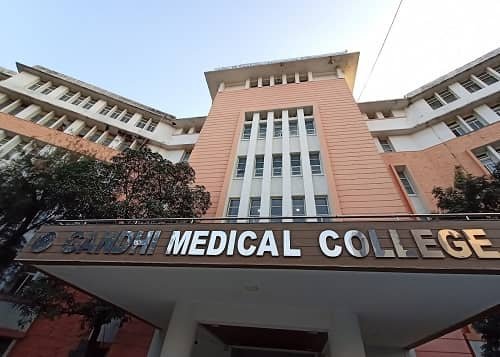
Hamidia Hospital, located on Sultania Road near Royal Market and attached to Gandhi Medical College, is the oldest and largest government hospital in Bhopal. Established in the 19th century (with roots as Prince of Wales King Edward Memorial Hospital) and significantly upgraded over decades, it currently has a sanctioned capacity of around 2,000–2,250 beds, with approximately 1,850 beds operational. Major expansion plans aim to develop it into a “Smart Medi-City” with modern infrastructure, additional beds, and enhanced facilities.
As a tertiary care teaching hospital, Hamidia offers comprehensive services in general medicine, general surgery, orthopedics, pediatrics, obstetrics & gynecology, cardiology, cardiothoracic surgery, ENT, ophthalmology, dermatology, psychiatry, respiratory medicine, urology, gastroenterology, burn & plastic surgery, and emergency & trauma care. It features multiple ICUs, modern operation theatres, advanced diagnostic labs, and a dedicated trauma centre. Daily OPD footfall is very high, often running into thousands, while handling a large volume of inpatient admissions and surgeries.
Affiliated with Gandhi Medical College, the hospital plays a crucial role in medical education, training MBBS, postgraduate, and specialty students. It provides highly subsidized or free treatment under government schemes and serves as the main referral centre for complex cases across the region. Hamidia is known for its experienced faculty, round-the-clock emergency services, and commitment to affordable care for all sections of society, including handling public health challenges and outbreaks effectively.
2. All India Institute of Medical Sciences (AIIMS) Bhopal – The Modern Centre of Excellence
AIIMS Bhopal, situated in Saket Nagar, is one of the prestigious All India Institutes of Medical Sciences established under the Pradhan Mantri Swasthya Suraksha Yojana (PMSSY). Operational since 2012–2013, it functions as an autonomous institute of national importance with a hospital bed strength of around 960 (including significant ICU capacity) and ongoing expansions to add more beds and super-specialty blocks.
AIIMS Bhopal excels in a wide range of specialties and super-specialties, including general medicine, surgery, orthopedics, pediatrics, obstetrics & gynecology, cardiology, neurology, neurosurgery, nephrology, oncology, gastroenterology, endocrinology, pulmonology, and advanced trauma care. It features state-of-the-art operation theatres, modern diagnostic and imaging facilities, research laboratories, and a strong emphasis on postgraduate and super-specialty training.
Known for high standards of clinical care, cutting-edge research, and relatively better infrastructure compared to older facilities, AIIMS Bhopal handles complex referral cases from Madhya Pradesh and beyond. Treatment is available at nominal government rates, making advanced healthcare accessible. The institute has significantly reduced the need for patients to travel to Delhi or other metros for many specialized treatments while contributing to medical education and public health research.
3. Bhopal Memorial Hospital and Research Centre (BMHRC) – Specialized Super-Specialty Care
Bhopal Memorial Hospital and Research Centre (BMHRC), established in the aftermath of the 1984 Bhopal Gas Tragedy as a tribute and rehabilitation centre, has evolved into a prominent government super-specialty hospital. Located near Raisen Road, it provides advanced care with a focus on conditions relevant to gas victims while serving the general public. It has over 350 beds and specializes in cardiology, neurology, nephrology, oncology, respiratory medicine, gastroenterology, and related fields.
BMHRC features modern ICUs, advanced diagnostic services, research facilities, and dedicated departments for palliative care and long-term management of chronic conditions. It offers postgraduate training and conducts research on environmental health and toxicology. The hospital is particularly valued for its expertise in gas-related and respiratory issues but extends comprehensive super-specialty services to all patients at subsidized rates. Its commitment to research alongside clinical care makes it a unique institution in central India.
4. Government Jai Prakash (JP) District Hospital – The Core District Multispecialty Facility
Government Jai Prakash District Hospital (also known as JP Hospital), located at Tulsi Nagar / Shivaji Nagar on Link Road No. 2, serves as a key secondary and multispecialty government facility under the district health system. With substantial bed capacity and multispecialty departments, it handles general medicine, general surgery, orthopedics, maternal and child health, emergency services, and basic specialties.
The hospital acts as an important referral point for routine and moderate-complexity cases, deliveries, minor to major surgeries, and 24/7 emergency care. It supports national and state health programmes, including immunization, maternal health, and disease control initiatives. JP Hospital reduces the load on larger tertiary centres like Hamidia and AIIMS by managing a large share of urban and nearby rural patients at highly affordable rates. Recent upgrades have improved its infrastructure, diagnostics, and patient services.
5. Sultania Zanana Hospital – Dedicated Maternal and Child Health Care
Sultania Zanana Hospital, situated near the Hamidia complex in the old city area, is a specialized government facility focused on women’s and children’s health. With over 200 beds, it provides comprehensive services in obstetrics & gynecology, pediatrics, neonatal intensive care, high-risk pregnancies, and pediatric surgery.
The hospital manages thousands of deliveries annually and handles critical neonatal and pediatric cases with dedicated NICU and pediatric wards. It plays a vital role in reducing maternal and infant mortality through government maternal and child health programmes. As one of the oldest women’s hospitals in Bhopal, Sultania Zanana offers affordable, specialized care trusted by families across the region, especially for reproductive and child healthcare needs.
Why These Government Hospitals Are So Special
Government hospitals in Bhopal stand out for their accessibility, affordability, and capacity to manage high patient volumes in a growing capital city. Hamidia Hospital serves as the massive flagship combining medical education with broad tertiary care, while AIIMS Bhopal brings national-level excellence and research. BMHRC adds focused super-specialty and memorial care, JP District Hospital ensures strong secondary-level support, and Sultania Zanana addresses critical maternal-child needs. Together with networks of ESI hospitals (such as in Sonagiri / Indrapuri), Community Health Centres, and Primary Health Centres, they implement key schemes effectively and serve diverse groups including industrial workers, migrants, students, and low-income families.
Despite challenges of high demand and occasional infrastructure pressures, continuous government investments in bed expansion, modern equipment, super-specialties, and digital systems are steadily improving services.
Final Thoughts
From the historic and expansive Hamidia Hospital and advanced AIIMS Bhopal to the specialized BMHRC, reliable JP District Hospital, and dedicated Sultania Zanana Hospital—these Top 5 Famous Government Hospitals in Bhopal provide essential healthcare support to the city’s growing population. They offer quality treatment at minimal or no cost, significantly reducing dependence on expensive private hospitals for countless families.
While waiting times can sometimes be longer due to high patient inflow, the dedication and expertise of doctors and staff remain commendable. For highly complex or rare cases, these institutions often serve as the first point of advanced care. Always carry necessary documents (Aadhaar, ration card, or Ayushman card) and check eligibility for government health schemes to avail maximum benefits.
If you live in Bhopal or surrounding areas, knowing these government hospitals can be very helpful during medical emergencies or for routine and specialized care.
Which of these government hospitals in Bhopal have you visited or would like more information about? Share your experiences in the comments.
Frequently Asked Questions (FAQs)
Q1. Which is the best government hospital in Bhopal?
A: Hamidia Hospital is the largest and most comprehensive for general and tertiary care, while AIIMS Bhopal excels in advanced and super-specialty treatments. The choice depends on the specific medical requirement.
Q2. Are treatments free or affordable in these hospitals?
A: Yes, treatments are highly subsidized and often free or available at nominal charges for eligible patients under Ayushman Bharat PMJAY and state schemes. Cashless benefits apply for covered beneficiaries.
Q3. Do these hospitals have good emergency services?
A: Yes—Hamidia Hospital, AIIMS Bhopal, and JP District Hospital operate robust 24/7 emergency and trauma departments equipped to handle accidents, medical emergencies, and critical cases.
Q4. Should I go to other cities for major treatment?
A: For most routine, secondary, and many super-specialty needs, Bhopal’s government hospitals like Hamidia and AIIMS are well-equipped and sufficient. Only extremely rare or ultra-specialized cases may require referral to Delhi or other national centres.