Sikkim, the picturesque Himalayan state in Northeast India, is known for its stunning mountains, rich biodiversity, and unique cultural blend of Lepcha, Bhutia, and Nepali communities. The traditional foods of Sikkim reflect this diversity, influenced by Tibetan, Nepali, and local indigenous practices.
The cuisine is characterized by fermented foods, fresh mountain vegetables, rice as the staple, and hearty preparations suited to the cold climate. Ingredients like bamboo shoots, wild ferns (ningro), chhurpi (yak cheese), and local herbs play a major role. Fermentation is common due to the high altitude and limited fresh produce in winter, resulting in tangy, nutritious dishes. Non-vegetarian options often feature pork, while many households enjoy simple yet flavorful vegetarian meals with steamed rice.
Sikkimese food is generally mild to moderately spicy, focusing on natural flavors rather than heavy masalas. It is warming, comforting, and deeply tied to festivals, daily life, and the region’s agrarian roots. Here are the Top 5 Famous Traditional Foods of Sikkim that every visitor and food lover must try.
| Rank | Dish Name | Main Ingredients | Taste Profile | Best Time to Eat | Preferred With | Dietary Type |
| 1 | Momo | Wheat flour dough, vegetable/chicken/pork filling | Savory, Juicy & Mildly Spicy | Any time (Snack/Meal) | Spicy tomato chutney | Vegetarian / Non-Veg |
| 2 | Thukpa | Noodles, vegetables/meat, broth | Warm, Savory & Comforting | Lunch/Dinner (Cold days) | Alone or with momos | Vegetarian / Non-Veg |
| 3 | Phagshapa | Pork fat strips, radish, dried chillies | Spicy, Tangy & Rich | Lunch/Dinner | Steamed rice | Non-Vegetarian |
| 4 | Gundruk Soup | Fermented leafy greens, spices | Tangy, Sour & Earthy | Lunch/Dinner | Rice or as side | Vegetarian |
| 5 | Sel Roti | Fermented rice batter, ghee/sugar | Sweet, Crispy & Soft | Breakfast/Festivals | Tea or curry | Vegetarian |
1. Momo – The Beloved Himalayan Dumpling
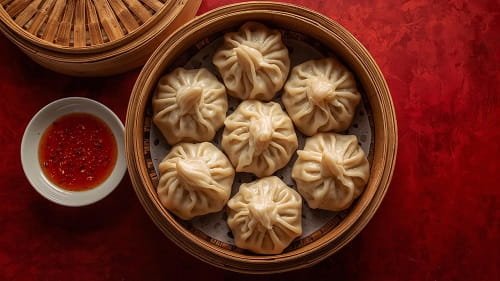
Momo is undoubtedly the most popular and widely recognized traditional food of Sikkim. These steamed (or sometimes fried) dumplings are made from a thin wheat flour dough stuffed with a flavorful filling of minced vegetables, chicken, pork, or buffalo meat. The filling is seasoned with onions, garlic, ginger, coriander, and local spices for a juicy and aromatic taste.
In Sikkim, momos are enjoyed as a snack, light meal, or even as part of a larger spread. They are typically served hot with a spicy tomato-based chutney or soup. Street stalls in Gangtok and local eateries prepare fresh batches throughout the day, and the aroma of steaming momos often fills the crisp mountain air.
Vegetarian versions use cabbage, carrots, or chayote squash, making them accessible to all. The soft dough contrasts beautifully with the savory filling, creating a delightful bite. Momos represent the Tibetan influence on Sikkimese cuisine and have become a symbol of the region’s warm hospitality. Many locals and tourists consider a plate of hot momos with chutney the perfect way to warm up after exploring Sikkim’s scenic spots.
2. Thukpa – The Hearty Noodle Soup
Thukpa is a comforting noodle soup that originated in Tibet but has become an integral part of traditional Sikkimese meals. It consists of handmade or store-bought noodles simmered in a flavorful broth with vegetables, meat (chicken, pork, or beef), and spices like garlic, ginger, and green chillies.
The broth is light yet nourishing, often including carrots, spinach, cabbage, and celery. In colder months, thukpa provides much-needed warmth and energy for people living in high altitudes. It is commonly served in homes, roadside cafes, and restaurants across Sikkim.
Vegetarian thukpa replaces meat with extra vegetables or tofu, while non-vegetarian versions offer chunks of tender meat for added richness. The dish is usually eaten with a spoon and sometimes paired with momos for a complete meal. Thukpa showcases the practical and warming nature of Himalayan cuisine, making it a favorite during rainy or winter days in the hills.
3. Phagshapa – The Spicy Pork Stew
Phagshapa is a traditional non-vegetarian delicacy loved by meat enthusiasts in Sikkim. It is prepared with strips of pork fat and meat stewed together with radish, dried red chillies, and basic spices. The pork fat adds richness and depth to the dish, while the radish provides a subtle sweetness that balances the heat from the chillies.
This stew is cooked slowly to allow the flavors to meld, resulting in a spicy, tangy, and satisfying gravy. Phagshapa is typically served with steamed rice, which helps soak up the flavorful sauce. It is especially popular during family gatherings and festivals.
The dish reflects the Bhutia and Lepcha communities’ preference for pork and their resourceful use of local ingredients. Though it can be quite spicy, the heat is often tempered by the natural sweetness of radish. For visitors, trying phagshapa offers a genuine taste of Sikkim’s bold, mountain-style non-vegetarian cooking.
4. Gundruk Soup – The Fermented Leafy Green Specialty
Gundruk is one of the most distinctive traditional foods of Sikkim and a staple in many households. It is made by fermenting leafy greens such as mustard, radish, or cauliflower leaves. The leaves are washed, wilted, and packed tightly in an earthen pot or container, then left to ferment naturally for several days.
Once fermented, gundruk develops a sour, tangy flavor and is used to prepare a hearty soup or side dish. The soup is cooked with onions, tomatoes, garlic, green chillies, and sometimes potatoes or other vegetables. It is usually served with steamed rice and provides a nutritious, probiotic-rich addition to meals.
Gundruk soup is valued not only for its unique taste but also for its health benefits and long shelf life, which was crucial in the days before refrigeration. A similar fermented preparation called sinki (made from radish taproots) is also popular. These fermented foods highlight the ingenuity of Sikkimese people in preserving vegetables for the long winter months.
5. Sel Roti – The Sweet Ring-Shaped Rice Bread
Sel Roti is a traditional sweet bread that looks like a ring-shaped doughnut or pretzel. It is made from fermented rice batter mixed with ghee, sugar or jaggery, cardamom, and sometimes milk or banana for extra softness. The batter is poured in a circular motion into hot oil and deep-fried until golden and crispy on the outside while remaining soft inside.
Sel Roti is commonly prepared during festivals like Dasain, Tihar, and Losar, as well as for special occasions and as a snack with tea. Its mild sweetness and aromatic flavor make it a delightful treat that pairs well with a cup of butter tea or local milk tea.
Making perfect sel roti requires skill, as the consistency of the batter and the frying technique determine the final texture. In Sikkimese homes, the preparation of sel roti often becomes a family activity filled with joy and tradition. It represents the festive and celebratory side of Sikkimese cuisine.
Why These Traditional Foods of Sikkim Are So Special
The traditional foods of Sikkim stand out for their reliance on fermentation, fresh mountain produce, and simple yet effective cooking methods. The cold climate and high altitude encouraged the development of preserved foods like gundruk and chhurpi, which are nutritious and add unique tangy flavors. Rice remains the staple, complemented by hearty soups, dumplings, and stews that provide warmth and energy.
These dishes reflect the harmonious blend of Tibetan, Nepali, and indigenous Lepcha-Bhutia influences. They are generally less oily and spicy compared to many Indian cuisines, focusing instead on natural tastes and health benefits. Many ingredients are locally sourced or foraged, making the cuisine sustainable and connected to the land. For tourists, experiencing these foods offers insight into Sikkim’s culture, hospitality, and way of life in the Himalayas.
Final Thoughts
From the universally loved momos and comforting thukpa to the bold phagshapa, tangy gundruk soup, and sweet sel roti — these Top 5 Famous Traditional Foods of Sikkim capture the essence of the state’s diverse and resilient cuisine. Each dish tells a story of adaptation to the Himalayan environment, cultural exchange, and the warmth of Sikkimese homes.
Whether you are trekking through the mountains, exploring Gangtok’s markets, or relaxing in a homestay, trying these authentic flavors will enrich your visit. Many dishes can also be recreated at home with some practice, bringing a piece of Sikkim to your kitchen. The simplicity, nutrition, and unique taste profiles make Sikkimese food truly memorable.
Which of these five traditional foods of Sikkim excites you the most? Plan your trip or try a recipe soon to experience the magic of Himalayan flavors!
Frequently Asked Questions (FAQs)
Q1. What is the most famous traditional food of Sikkim?
A: Momos are the most popular and widely recognized traditional food of Sikkim. They are enjoyed by locals and tourists alike as a snack or meal.
Q2. Is Sikkimese food very spicy?
A: Sikkimese cuisine is generally mildly to moderately spicy. Dishes like phagshapa can be hotter, but many others like thukpa and sel roti are balanced and comforting rather than overwhelmingly spicy.
Q3. Are there good vegetarian options in traditional Sikkimese cuisine?
A: Yes, there are plenty of vegetarian options. Gundruk soup, vegetable momos, thukpa, and sel roti are popular vegetarian choices. Fermented foods and local vegetables form the base of many meat-free dishes.
Q4. Can beginners easily cook traditional Sikkimese foods at home?
A: Most dishes like momos, thukpa, and sel roti can be prepared at home with some practice and readily available ingredients. Fermented items like gundruk require more time and traditional techniques but can be approximated using modern methods.