Kerala, fondly known as God’s Own Country, is a paradise not just for its backwaters, lush green landscapes, and serene beaches, but also for its rich and diverse cuisine. The traditional foods of Kerala reflect the state’s abundant natural resources — fresh coconut, aromatic spices, rice from the fields, and seafood from the Arabian Sea and backwaters.
Kerala cuisine beautifully blends influences from Hindu, Christian, and Muslim communities, creating a unique balance of mild, spicy, tangy, and creamy flavors. Coconut milk, curry leaves, black pepper, and mustard seeds are common ingredients that give every dish its signature taste. Whether you are a vegetarian or a non-vegetarian food lover, Kerala’s traditional foods offer something delicious for everyone.
If you are planning a trip to Kerala or simply want to explore authentic South Indian flavors at home, here are the Top 5 Famous Traditional Foods of Kerala that you must try. These dishes are deeply rooted in the culture and are enjoyed during festivals, family gatherings, and everyday meals.
1. Sadya – The Grand Vegetarian Feast of Kerala
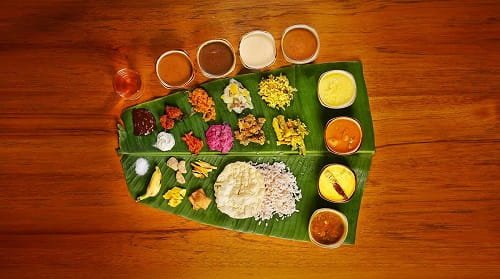
No list of traditional Kerala foods is complete without mentioning Sadya. This elaborate vegetarian feast is more than just a meal — it is a cultural experience served on a fresh banana leaf during festivals like Onam and Vishu, as well as weddings and other celebrations.
A traditional Sadya can include 20 to 28 dishes (sometimes even more in royal households). It starts with rice served alongside ghee and parippu (dal), followed by a variety of curries, thorans (stir-fried vegetables), avial (mixed vegetables in coconut gravy), olan (ash gourd and beans in coconut milk), kaalan, pickles, pappadam, and upperi (banana chips). The meal ends on a sweet note with delicious payasam (rice pudding or vermicelli kheer made with jaggery or milk).
What makes Sadya special is its balance of flavors — sweet, sour, spicy, and bitter — that is believed to promote good health according to Ayurvedic principles. Eating with your hands on a banana leaf adds to the authentic experience. The aroma of fresh coconut, curry leaves, and spices makes every bite memorable. Sadya is not just food; it represents Kerala’s hospitality and love for vegetarian traditions.
2. Puttu and Kadala Curry – The Classic Kerala Breakfast
Puttu is one of the simplest yet most loved traditional foods of Kerala. It is a steamed cylindrical rice cake made from coarsely ground rice flour layered with grated coconut. The soft, fluffy texture of puttu combined with the earthy flavor of coconut makes it a perfect start to the day.
Traditionally, puttu is served with kadala curry — a spicy black chickpea (chana) gravy cooked with onions, tomatoes, coconut, and a blend of Kerala spices. The combination of soft puttu soaking in the thick, flavorful kadala curry is pure comfort food.
This dish is popular across all regions of Kerala and is a staple breakfast in many households. It is healthy, filling, and vegan-friendly. Many people also enjoy puttu with ripe bananas, papadam, or even fish curry on special occasions. Its simplicity and nutritional value have made puttu a favorite not only among locals but also among tourists looking for authentic Kerala breakfast experiences.
3. Appam with Stew – The Lacy Delight
Appam, also known as palappam, is a thin, bowl-shaped pancake with crispy golden edges and a soft, spongy center. Made from fermented rice batter and coconut milk, appam has a slight natural sweetness and a unique texture that sets it apart from other Indian breads.
It is most commonly paired with vegetable stew (ishtu) or meat stew. The stew is a mild, creamy curry prepared with potatoes, carrots, green peas, onions, and coconut milk, tempered with whole spices and curry leaves. For non-vegetarians, chicken or mutton stew is equally popular.
Appam with stew is a breakfast favorite in Syrian Christian households and has become one of the most ordered dishes in Kerala restaurants and hotels. The contrast between the mildly sweet appam and the aromatic, coconut-rich stew creates a heavenly combination. Many visitors to Kerala fall in love with this dish and try to recreate it at home after their trip.
4. Idiyappam with Fish Molee – String Hoppers and Creamy Fish Stew
Idiyappam, also called string hoppers or nool puttu, looks like soft white noodles made from steamed rice flour. These delicate strands are pressed through a special mold and steamed until fluffy. Idiyappam has a neutral taste, making it an excellent base for various curries.
One of the most famous pairings is Fish Molee (also spelled Meen Molee or Fish Moilee). This is a mild, creamy fish stew where fresh fish (usually kingfish or seer fish) is gently cooked in coconut milk with ginger, garlic, green chillies, turmeric, and tomatoes. Unlike spicy Kerala fish curries, molee has a delicate flavor with a silky texture that feels luxurious.
This combination is especially popular among Kerala’s Christian community and is often prepared during festivals like Easter. The soft idiyappam absorbs the creamy coconut gravy perfectly, creating a comforting and satisfying meal. Fish molee is lighter than regular fish curry yet packed with flavor, making it a must-try for seafood lovers visiting Kerala.
5. Kerala Fish Curry (Nadan Meen Curry) – The Spicy Coastal Classic
Kerala’s long coastline means seafood is central to its cuisine, and Nadan Meen Curry (traditional Kerala fish curry) stands tall as one of the most iconic traditional foods.
This fiery red curry is prepared with fresh fish, kokum or tamarind for tanginess, and a generous amount of spices including chilli powder, coriander, turmeric, and fenugreek. It is cooked in an earthen pot (manchatti) which enhances the flavor. The curry is usually tempered with mustard seeds, curry leaves, and shallots fried in coconut oil.
Kerala fish curry is typically served with steamed rice, but it also pairs wonderfully with appam, puttu, or pathiri. The bold, tangy, and spicy taste represents the robust flavors of coastal Kerala. Every region has its own variation — from the Alleppey style to the Malabar version — but the soul remains the same: fresh fish and authentic spices.
For many Malayalis living away from home, the aroma of this curry instantly brings back memories of family meals and rainy days.
Why Kerala Traditional Foods Are So Special
What makes these top 5 famous traditional foods of Kerala stand out is their perfect balance of taste, health, and tradition. The generous use of coconut gives a creamy richness without heaviness, while fresh spices add depth and aroma. Most dishes are prepared using local, seasonal ingredients, making them nutritious and sustainable.
Kerala cuisine also respects dietary preferences — there are plenty of vegetarian options in Sadya and breakfast dishes, while coastal influences bring excellent seafood and meat preparations.
If you ever visit Kerala, make sure to enjoy these dishes in local eateries, toddy shops, or during festivals for the most authentic experience. Many hotels and homestays now offer cooking classes where you can learn to prepare these traditional foods yourself.
Final Thoughts
From the grand banana leaf feast of Sadya to the humble yet satisfying puttu, the lacy appam, delicate idiyappam with fish molee, and the bold nadan fish curry — these five traditional foods capture the essence of Kerala’s culinary heritage.
Each dish tells a story of the land, its people, and centuries of cultural exchange. Whether you are a food enthusiast, a traveler, or someone who loves cooking at home, exploring these famous traditional foods of Kerala will give you a true taste of God’s Own Country.
Next time you crave authentic South Indian flavors, try preparing or ordering one of these dishes. Your taste buds will thank you!