Modern bathrooms are designed with a focus on comfort, hygiene, and practical use. Choosing the right toilet fixtures is an important part of planning any bathroom space. In both homes and commercial restrooms, the type of fixtures used can affect convenience, water usage, and the overall look of the area. Common toilet fixtures include urinal commodes and water closets, each serving a different purpose. Understanding how these fixtures differ can help homeowners, designers, and builders select options that suit the available space and daily usage needs.
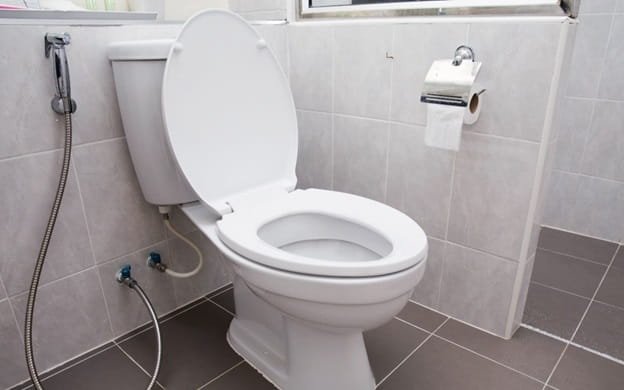
Understanding Toilet Fixtures in Modern Bathrooms
Toilet fixtures refer to the sanitary fittings installed in bathrooms for hygiene and waste disposal. These fixtures are designed to improve sanitation, make cleaning easier, and ensure comfortable daily use. The most common toilet fixtures found in homes and commercial spaces include urinals, commodes, and water closets.
Each of these fixtures serves a distinct function and comes in multiple styles, sizes, and installation types. Choosing the right fixture depends on factors such as bathroom size, plumbing layout, user needs, and design preferences.
Different Types of Toilet Fixtures for Your Bathroom
Choosing the right toilet fixtures is an important step in planning a functional and comfortable bathroom. Understanding the available options helps you select fixtures that suit your space, usage needs, and design preferences.
Urinals
Urinals are commonly installed in commercial restrooms, offices, and public facilities because they offer efficient space utilisation and easy maintenance. In some cases, urinal commodes are also included in residential bathrooms where hygiene and practicality are key considerations.
- Designed for standing use: Urinals are typically wall-mounted fixtures that allow users to stand while using them.
- Space-saving installation: Wall-mounted designs help save floor space and make cleaning the surrounding area easier.
- Water-efficient operation: Urinals generally use less water per flush compared to conventional toilets.
- Wall-mounted urinals: The most common type, widely used in public restrooms and commercial spaces.
- Corner urinals: Designed to fit into unused corners, making them suitable for compact bathrooms.
- High-capacity urinals: Larger models that work well in high-traffic locations such as offices, restaurants, or public facilities.
- Compact urinal pots: Smaller designs suitable for bathrooms where space is limited.
- Ceramic construction: Most urinals are made from ceramic, which provides durability and stain resistance.
- Hygienic surface: Non-porous finishes help prevent bacterial buildup and reduce odours.
With smooth surfaces and modern designs, urinals can complement contemporary bathroom interiors while maintaining practicality.
Commode
A commode is a toilet fixture designed for seated use and is widely used in modern homes because it provides comfort and convenience for users of different age groups. Compared to squat-style toilets, commodes allow users to sit in a natural position, which can be more comfortable for elderly individuals and people with mobility concerns.
- Seated toilet fixture: Designed to allow comfortable sitting while using the toilet.
- Suitable for modern bathrooms: Commonly installed in residential bathrooms due to convenience and accessibility.
- One-piece commodes: Feature a seamless design where the tank and bowl are integrated into a single unit, reducing gaps where dirt can collect.
- Two-piece commodes: Have separate tanks and bowls that are assembled during installation, often making maintenance and part replacement easier.
- Wall-hung commodes: Mounted on the wall with a concealed cistern, creating a floating appearance and simplifying floor cleaning.
- Versatile usage: Suitable for homes, hotels, and shared bathrooms where comfort and practicality are important.
By offering different installation styles and designs, commodes can easily adapt to various bathroom layouts and preferences.
Water Closet
A water closet is a toilet fixture equipped with a flushing system that uses water to remove waste. In modern bathrooms, the term is often associated with Western-style toilets or EWCs, which are designed for seated use and connected to either a visible flush tank or a concealed cistern.
- Water-based flushing system: Uses water pressure to remove waste efficiently from the bowl.
- Commonly known as EWC: Often referred to as a Western-style toilet in modern bathrooms.
- Dual-flush technology: Many models provide two flushing options that help reduce water consumption.
- Floor-mounted water closets: Easy to install and compatible with most standard plumbing systems.
- Wall-hung water closets: Mounted on the wall with a concealed tank, offering a sleek and modern appearance.
- Ceramic construction: Typically made from high-quality ceramic materials that resist stains and scratches.
- Easy maintenance: Smooth surfaces support hygiene and simplify routine cleaning.
Water closets have become a preferred choice in modern bathrooms because they combine ergonomic comfort, efficient flushing systems, and contemporary design.
Modern Bathroom Fixtures and Design Integration
Modern bathroom fixtures are designed to combine functionality with contemporary aesthetics. Whether in compact apartment bathrooms or larger commercial spaces, well-selected sanitary fixtures help create a clean, organised, and visually balanced environment. Features such as efficient flushing systems, durable ceramic construction, and easy-to-maintain surfaces contribute to long-term usability. Bathware solutions from brands such as Simpolo Tiles & Bathware reflect this approach by offering fixtures that blend practicality, durability, and refined design for modern bathroom spaces.
Conclusion
Understanding the differences between urinals, commodes, and water closets can simplify bathroom planning. Urinals are suitable for standing use and efficient water usage, while commodes and water closets provide seated comfort and modern flushing systems. Each fixture serves a specific purpose in maintaining hygiene and functionality. By considering factors such as available space, user comfort, and maintenance needs, homeowners and designers can choose toilet fixtures that balance practicality with design, helping create bathrooms that are efficient, comfortable, and visually well-organised.