Did you know that even though the overall Indian smartphone market actually shrank by 4.1% year-on-year in Q1 2026, the total market value still grew, and a big reason is that people are spending more per phone even while fewer phones are getting sold overall? That’s called premiumisation, basically everyone’s trading up instead of buying more, and it’s completely reshuffled who’s winning and losing in India’s mobile market right now. So here’s our rundown of the top 10 mobile companies in India 2026, based on the latest Q1 2026 IDC shipment data.
1. Vivo
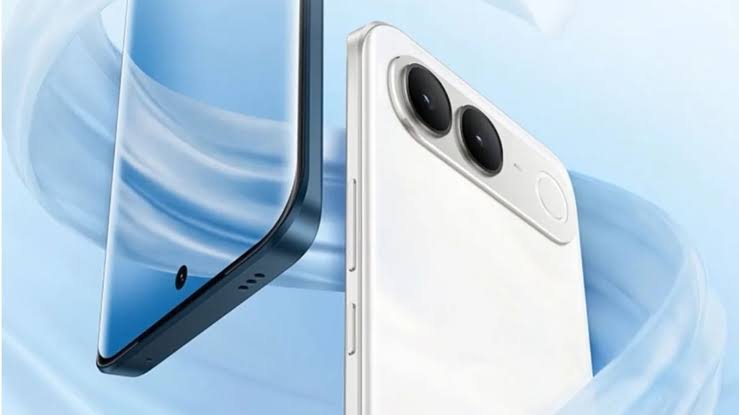
Vivo is sitting comfortably at the top with a 19.6% market share, and honestly, it’s been holding onto that lead for a while now, some reports even put it as high as 21-22% depending on the quarter and whether iQOO is counted along with it. A lot of this comes down to Vivo’s genuinely strong offline retail game, they dominate small-town and Tier 2/3 city stores in a way that a lot of the more online-focused brands just can’t match. Models like the T3 Lite 5G and Y28s have been quietly doing the heavy lifting for them.
2. Samsung
Samsung climbed back up to second place with 17.1%, helped by launches spread across pretty much every price segment, from budget Galaxy F-series phones all the way up to premium S-series flagships. Samsung’s also the “most complete” brand on this list in a lot of reviewers’ eyes, they don’t dominate any single price bracket the way Vivo does offline or Apple does at the top, but they show up competitively everywhere, which honestly is its own kind of strength.
3. OPPO
OPPO’s had a genuinely great run lately, and it shows, they’re at 15.3% now and were actually the fastest-growing brand among the top five in a recent quarter, up 41% year-on-year at one point. Their A series alone made up more than half their shipments, which tells you exactly where their bread and butter is, solid, affordable phones that just work for everyday buyers.
4. Apple
Here’s the genuinely wild stat about Apple, it only holds 9.4% share by volume, but it reportedly captures around 28% of the entire market’s total value. That’s the premium game working exactly as intended, fewer phones sold, way more money per phone. And with local iPhone assembly through Foxconn and Tata Electronics plus easier EMI options than ever, Apple’s basically become the aspirational upgrade for a huge chunk of Indian buyers who previously would’ve never considered it.
5. Motorola
Motorola’s honestly been one of the most pleasant surprise stories in Indian mobile lately, sitting at 8.9% and reportedly growing 53% year-on-year in a recent quarter. The G and Edge series are doing a lot of that heavy lifting, and their wider retail push has clearly paid off. A few years ago nobody would’ve expected Motorola to be this relevant again in India.
6. Realme
Realme’s had a rougher stretch, dropping to 8.8% after some quarters of decline, partly because of higher-than-usual inventory that forced them to slow down on launches and focus on clearing existing stock instead. Still, they’re known for genuinely solid specs-per-rupee, which keeps a loyal budget-to-mid-range crowd coming back even when the headline numbers dip a bit.
7. Xiaomi
Xiaomi’s at 8.4% now, a real comedown from the days when it was the undisputed volume king of Indian smartphones with over 20% share not too long ago. The Redmi line is still solid on value, but competition from Vivo, Samsung, and OPPO has genuinely chipped away at what used to be Xiaomi’s home turf.
8. Poco
Poco holds 3.8%, and it’s worth remembering this is technically part of the broader Xiaomi family, some market trackers actually fold Poco’s numbers into Xiaomi’s totals. It’s carved its own identity though, leaning into a younger, more performance-focused crowd who want flagship-adjacent specs without flagship pricing.
9. iQOO
iQOO sits at 1.9%, and similarly, it’s technically part of the Vivo umbrella, so combined Vivo+iQOO numbers look considerably bigger than the standalone iQOO figure suggests. It’s positioned specifically for gaming and performance enthusiasts, a genuinely narrower but passionate slice of the market.
10. OnePlus
OnePlus rounds out the top 10 at just 1.7%, a fraction of what it used to command in India when it basically owned the “flagship killer” category. It’s held onto a smaller, genuinely loyal fanbase, but it’s clearly lost ground to Samsung, Apple, and even its own sister brands within the broader BBK/Vivo-Oppo family tree.
Frequently Asked Questions
Q1. Which mobile brand actually leads India’s smartphone market in 2026?
A: Vivo leads with around 19.6% share as of Q1 2026, and it’s held the top spot for several consecutive quarters now, largely thanks to its dominant offline retail presence in smaller towns and cities.
Q2. Why does Apple have such low market share but still make so much money in India?
A: Apple only holds around 9.4% share by unit volume, but it reportedly captures roughly 28% of the market’s total value because iPhones are priced so much higher than most other brands, so fewer units sold still translates into disproportionately huge revenue.
Q3. Is the Indian smartphone market actually growing or shrinking right now?
A: By pure shipment volume, it actually declined 4.1% year-on-year in Q1 2026, but total market value still grew thanks to premiumisation, people buying fewer but more expensive phones overall.
Q4. Why do Vivo and iQOO, or Xiaomi and Poco, get grouped together sometimes?
A: Because they share the same parent company structure, iQOO is part of the Vivo/BBK family and Poco is part of Xiaomi, so some research firms report their shipment numbers combined rather than as fully separate brands.
Q5. Which brand is growing the fastest right now, and which is struggling most?
A: Motorola has been the standout growth story, reportedly up over 50% year-on-year in some quarters thanks to its G and Edge series, while OnePlus and Xiaomi have both lost significant ground compared to their earlier peak market shares in India.