Did you know that if H1 2026’s momentum keeps up, India’s passenger vehicle industry could cross 5 million annual dispatches for the very first time this year, officially cementing it as one of the fastest-growing car markets on the planet? And here’s the twist, Tata Motors grew a jaw-dropping 40.35% year-on-year in the same period, actually outpacing market leader Maruti Suzuki’s own growth rate, even though Maruti’s still miles ahead in absolute sales. So let’s dig into the top 10 automobile companies in India 2026 and see who’s actually winning this fight.
1. Maruti Suzuki
There’s really no contest for the top spot, Maruti Suzuki holds somewhere between 39.5% and 44% market share depending on the month, selling over 10.26 lakh vehicles in just the first half of 2026 alone. It’s been India’s largest carmaker for years, and honestly, the formula’s stayed the same the whole time, low prices, high mileage, an enormous service network, and the best resale value in the country. The Maruti Dzire was actually India’s best-selling passenger vehicle during H1 2026, which tells you the small-car magic hasn’t worn off even with all the SUV hype these days.
2. Tata Motors
Tata’s genuinely the standout story of 2026 so far. It’s firmly in second place now, and its 40.35% year-on-year growth was actually the fastest among all major automakers, beating even Maruti’s own pace. Models like the Punch, Nexon, Curvv, Harrier, and Safari have been doing serious heavy lifting, and Tata’s also the brand that sells the most electric cars in India by a wide margin. Safety’s a big part of their pitch too, Tata’s consistently named among the safest car brands in the country.
3. Mahindra
Mahindra’s locked in a genuinely tight battle with Tata for second place, and honestly, it changes month to month depending on who you ask. They’re growing at a healthy 19.04% and holding around 13.81% market share, driven largely by strong SUV demand, which is basically Mahindra’s entire brand identity at this point. Their expanding EV lineup is also helping them keep pace with Tata rather than falling behind.
4. Hyundai
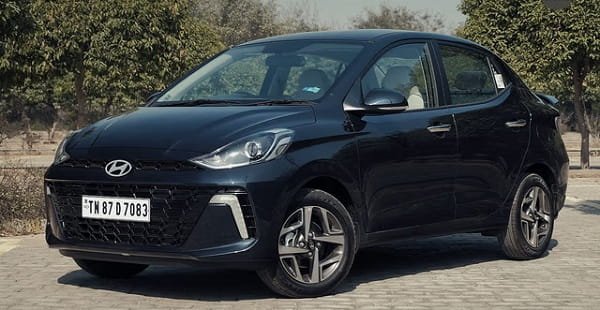
Hyundai’s holding steady in fourth place, and while its growth has been a bit slower than Tata and Mahindra’s recently, it briefly reclaimed second position from Mahindra earlier in the year before settling back into fourth. It’s still one of the most trusted names in the country, and its hatchback and SUV lineup keeps it firmly in the conversation whenever people talk about reliable, well-rounded cars.
5. Toyota
Toyota’s carved out a genuinely solid niche with its hybrid lineup, and models like the Innova and Fortuner remain hugely popular, especially among buyers who want something a bit more premium and dependable. They’ve also stepped into the EV space with the Urban Cruiser Ebella, which is actually based on the Maruti Suzuki eVitara, a nice little reminder of how intertwined some of these manufacturers actually are behind the scenes.
6. Kia
Kia’s been on a genuine upward climb, and in August 2026 it actually overtook Toyota to claim fifth place. Their SUV and MPV lineup keeps pulling in strong demand, and the recently launched next-generation Seltos has been getting genuinely encouraging booking numbers, which suggests Kia’s momentum isn’t slowing down anytime soon.
7. Skoda-Volkswagen Group
Skoda and Volkswagen operate together in India, and while they don’t come close to matching the volume of the top six, they’re consistently named among the most trusted, safety-focused brands in the country. They tend to appeal to a slightly different buyer, someone who wants European engineering credentials over pure sales-chart dominance.
8. Honda
Honda’s held onto a loyal following in India for years, particularly known for reliability, and while it doesn’t crack the top six in monthly sales numbers, it’s still consistently mentioned among the automakers offering solid, dependable cars under ₹10 lakh, which keeps it relevant for budget-conscious first-time buyers.
9. Renault
Renault’s another name that plays in the affordable segment, offering cars priced under ₹10 lakh that appeal specifically to first-time buyers and price-sensitive households. It’s not chasing the SUV wars the same way Tata or Mahindra are, but it’s found a workable spot in India’s budget car market.
10. MG Motor
MG Motor rounds out the list, and it’s honestly built a reputation for being a bit more design-forward and tech-loaded compared to some of the older, more traditional names on this list. It’s also offering vehicles under the ₹10 lakh mark, making it competitive in the same affordable segment as Renault and Honda, while still trying to carve out its own distinct identity.
Frequently Asked Questions
Q1. Which car company genuinely sells the most vehicles in India right now?
A: Maruti Suzuki remains firmly in the lead with around 39.5-44% market share depending on the month, selling more cars than the next several brands combined, thanks to its low prices, extensive service network, and best-in-class resale value.
Q2. Is Tata Motors actually growing faster than Maruti Suzuki?
A: Yes, genuinely, Tata posted 40.35% year-on-year growth in H1 2026, the fastest among all major automakers, though it’s still selling far fewer total units than Maruti given how dominant Maruti’s overall market share remains.
Q3. Which company sells the most electric cars in India?
A: Tata Motors sells the most electric cars of any Indian brand by a clear margin, having built out its EV lineup earlier and more aggressively than most of its direct competitors.
Q4. How many companies actually control most of India’s car market?
A: Just six brands, Maruti Suzuki, Tata Motors, Mahindra, Hyundai, Toyota, and Kia, together account for roughly 94% of all new car sales in India, with every other manufacturer typically selling under 10,000 units a month.
Q5. Could India’s car market actually hit a record 5 million units sold in 2026?
A: It’s genuinely possible, H1 2026 already saw 18.6% year-on-year growth with over 25.95 lakh units sold, and if that momentum continues through the second half of the year, industry watchers expect annual passenger vehicle dispatches to cross 5 million for the first time ever.