For a long time, the way we approached cancer treatment was a bit like using a broad-spectrum light to find a specific needle in a haystack. Doctors relied on the location of the tumor, the lung, the breast, or the colon, and applied a standard protocol that worked for most people. Though many lives were preserved, the method seemed imprecise, failing to explain differences in patient reactions despite identical diagnoses.
The engine driving this change is the genetic mutation test. Because cancer stems from changes in DNA, viewing it through genetics makes clear what drives it. When shifts occur in particular genes, they instruct cells to multiply without restraint. Each case carries a distinct pattern of alterations, never fully matching another. By decoding these patterns, medical teams identify precise treatments, ones shaped by insight rather than broad methods. Such approaches behave less like widespread strikes and more like focused interventions directed only where needed.
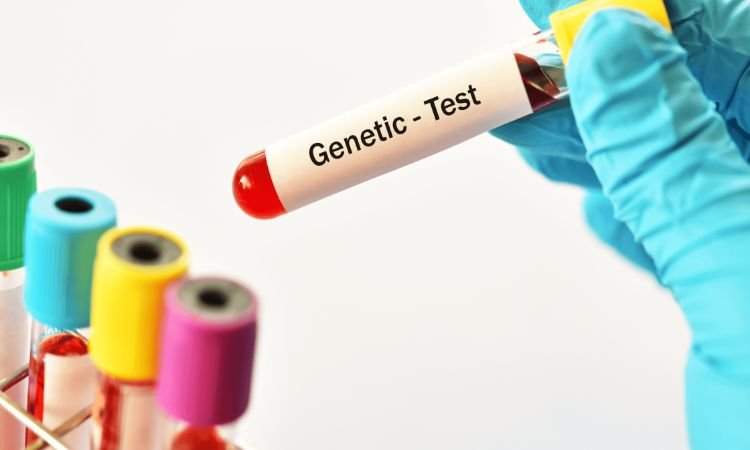
The Role of Genetic Testing in Treatment
Should a person receive a genetic mutation analysis, experts search for what are known as driver mutations. What these represent are precise faults within the genetic code actively advancing tumor growth. Certain alterations appear frequently; in contrast, some occur only under exceptional circumstances. Though common variants exist, uncommon ones challenge typical expectations. By identifying them, an oncologist can determine if there is an existing drug designed specifically to switch off that mutated gene.
This technology isn’t just about finding a cure; it is about sparing the patient from unnecessary side effects. Traditional treatments often attack healthy cells along with the cancerous ones. Precision medicine aims to be more selective. If a test shows that a patient’s tumor lacks a certain marker, the doctor can avoid using a drug that they know, with scientific certainty, will not work for that specific individual. It is a more practical, human-centered way of managing a very difficult journey.
Beyond Treatment: Risk and Prevention
While much of the conversation around precision oncology happens after a diagnosis, the role of genetics starts much earlier. Many families carry inherited mutations, such as the well-known BRCA1 or BRCA2 genes, which significantly increase the risk of certain cancers. In these cases, a genetic mutation analysis serves as an early warning system. It allows individuals to take proactive steps, such as more frequent screenings or preventive surgeries, long before a problem ever develops.
Thinking through it from a family perspective, this information is a powerful tool. It isn’t just about the person being tested; it provides a roadmap for their siblings or children.
The Medgenome Approach to Precision
One of the biggest hurdles in genetic testing used to be the sheer complexity of the data. A single test can generate a massive amount of information. The real value lies in the interpretation. Medgenome utilises a combination of high-throughput sequencing and deep clinical expertise to turn raw data into a clear, actionable report for the doctor.
Their work in precision oncology isn’t just about the lab work; it is about building a database that reflects the unique genetic diversity of the Indian population. For a long time, most genetic research was based on Western data. By localising this data, the insights become far more relevant to the specific genetic markers found within the Indian subcontinent.
A Grounded Look at the Future
It is important to remain realistic about what this technology can do. Precision oncology is not a panacea that addresses every case. Some tumours are highly complex and develop “resistance mutations” over time. However, the steady move toward molecular-level understanding means we are no longer guessing. We are building a foundation of data that allows patients to face a diagnosis with a plan that is uniquely theirs.